
With Americans owing approximately $1.6 trillion in student loans as of mid-2024, the burden of student debt has become a pressing crisis that affects millions of individuals and families across the country. This staggering figure reflects not just the rising costs of higher education, but also the challenges students face in pursuing their academic and career aspirations. Understanding these alarming statistics and the deeply personal stories behind them is crucial for students seeking financial freedom and stability. In this article, we delve into the current state of student debt in the U.S., explore the factors contributing to this crisis, and discuss practical solutions that can empower students to navigate their financial futures. Whether you’re a current student, a parent, or simply interested in the topic, the insights shared here will arm you with valuable knowledge to make informed decisions and advocate for change. Join us as we unpack the complexities of student debt and explore pathways towards relief and success.
Understanding the Student Debt Crisis in the US
The student debt crisis in the United States represents one of the most pressing financial challenges facing today’s learners. As of 2025, collective student debt has surpassed a staggering $1.75 trillion, affecting millions of borrowers nationwide. This situation is not merely a statistic; it translates to real-life implications for students and graduates, potentially shaping their economic futures and life choices. Understanding the intricacies of this crisis is crucial for current students, prospective attendees, and educators alike, as it informs both individual financial decisions and broader policy discussions.
Students often find themselves juggling multiple responsibilities, including academic performance, internships, and part-time jobs, all while grappling with the burden of debt. The reality is that many students are forced to make difficult choices regarding their education and career paths. In fact, research shows that nearly one in three borrowers may delay significant life milestones-such as buying a home, starting a family, or pursuing advanced degrees-due to the impact of their student loans. This underscores the importance of recognizing not just the financial, but also the emotional and social implications of student debt.
Impact on Future Generations
The crisis also reaches beyond individual borrowers, affecting entire generations. For instance, young graduates with heavy debt loads may find themselves in less favorable job markets, pushing them to accept positions that do not align with their career aspirations or educational backgrounds. To navigate this complex landscape, students and families should prioritize financial literacy, exploring workshops and courses on budgeting, saving, and managing debt. Schools and universities can play a pivotal role by integrating financial education into their curricula and providing resources to promote responsible financial behaviors from a young age.
In addition, seeking out scholarships, grants, and work-study opportunities can significantly alleviate financial burdens while pursuing higher education. Understanding loan types-federal versus private-can also guide borrowing decisions, allowing students to make informed choices about their financial futures. Building a strong financial foundation today can help pave the way for healthier economic prospects tomorrow, creating a ripple effect that benefits communities and the broader economy. By addressing the student debt crisis comprehensively and empathetically, we can empower students to thrive despite financial challenges.
Current Statistics on Student Loan Debt

As of 2025, the collective burden of student loan debt in the United States has surged past an astonishing $1.75 trillion, a figure that captures the gravity of a crisis affecting over 45 million borrowers. With the average student loan debt hovering around $37,500, many graduates find themselves entering a challenging job market already weighed down by financial obligations. To put this in perspective, the total student debt surpasses the GDP of many countries, indicating a systemic issue that demands attention and action.
The statistics reveal some troubling trends: nearly one in five borrowers is in default or delinquent on their loans, facing severe consequences that can affect credit scores and future financial stability. Furthermore, women and minorities disproportionately shoulder this debt, often due to systemic inequalities in education and employment. This disparity highlights the need for robust solutions that not only address the debt crisis but also empower marginalized communities.
Breaking Down the Numbers
To better understand the landscape of student debt, consider these key figures:
- Total U.S. student debt: Over $1.75 trillion
- Number of borrowers: Approximately 45 million
- Average debt per borrower: About $37,500
- Percentage of borrowers in default: Nearly 20%
These statistics illuminate the scale of the crisis but also beckon for effective solutions. Initiatives aimed at enhancing financial literacy and promoting responsible borrowing practices can significantly impact students’ ability to navigate their loans. For instance, universities that offer debt counseling and budgeting workshops empower students with the knowledge to manage their finances proactively.
As students face the overwhelming reality of their debts, cultivating a proactive mindset is essential. Exploring options such as federal and state loan forgiveness programs, income-driven repayment plans, and even employer tuition reimbursement strategies can alleviate some of the pressures. By understanding the available resources and making informed decisions about their financial futures, students can carve a path toward stability and success amidst the challenges presented by student debt.
How Are Students Affected by Debt?

The escalating burden of student debt significantly impacts the lives of borrowers, often shaping their choices long after they leave campus. Many students find themselves delaying major life decisions, such as buying a house, starting a family, or pursuing advanced education, all due to the weight of student loans. The fear of falling into default or managing unsustainable monthly payments can lead to heightened stress, anxiety, and overall financial insecurity.
For students, this debt can also impede their career choices. Graduates may opt for higher-paying jobs that they are not passionate about merely to meet loan obligations, sacrificing personal fulfillment and job satisfaction. This financial pressure can stifle their ability to take risks, such as pursuing entrepreneurial opportunities or lower-paying but more fulfilling careers in fields like education or the arts.
Psychological and Social Effects
The psychological toll is profound. Recent studies suggest that borrowers often experience anxiety and depression linked to their financial situation. These mental health challenges can affect academic performance during their studies and career trajectories afterward. Additionally, social interactions may be strained; borrowers may shy away from plans that require financial commitments, leading to isolation and reduced quality of life.
Strategies for Mitigating the Effects of Debt
Understanding and addressing these challenges necessitates a proactive approach. Here are practical strategies students can employ to reduce the impact of debt on their lives:
- Budget Wisely: Create a detailed budget that includes all sources of income and expenses. Use apps or tools to track spending habits and identify areas to cut back.
- Explore Loan Repayment Options: Investigate options like income-driven repayment plans that allow payments to adjust based on income, potentially making monthly obligations more manageable.
- Consider Forgiveness Programs: Research federal and state loan forgiveness programs available for specific careers, particularly in public service or teaching, which can substantially reduce debt burden.
- Enhance Financial Literacy: Take advantage of financial literacy resources, workshops, or counseling offered by many universities to build knowledge and confidence in managing student loans.
By taking control and implementing these strategies, students can mitigate the adverse effects of their debt, paving the way for a more balanced and fulfilling life as they navigate the complexities of financial obligations.
The Rise of Student Debt Over the Years
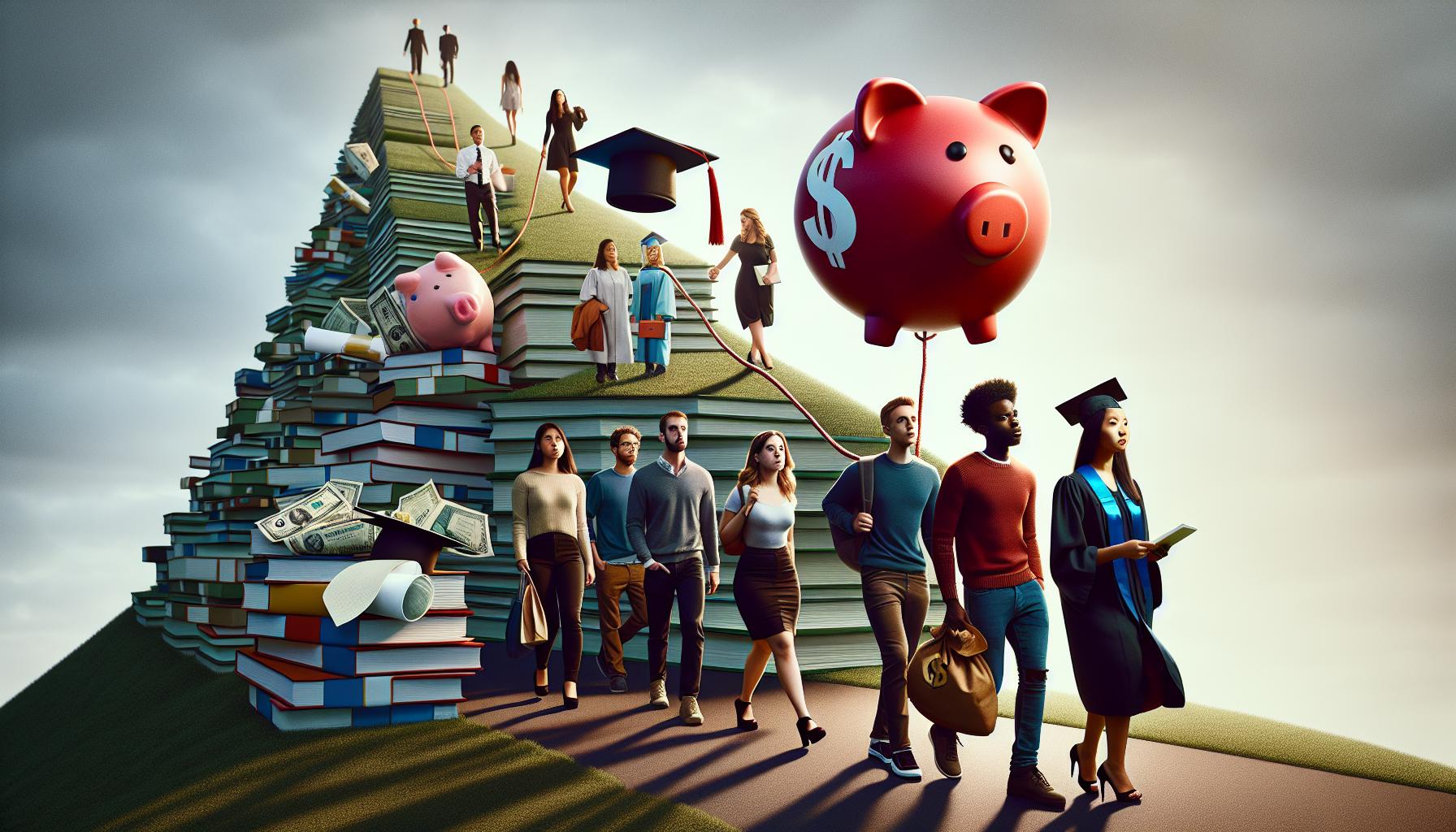
The increase in student debt over the years has transformed from a growing concern to a widespread financial crisis affecting millions of Americans. As of early 2024, Americans collectively owe approximately $1.6 trillion in student loans, a staggering 42% increase from a decade ago [3[3]. Several factors contribute to this rising trend, including the skyrocketing costs of higher education, increased enrollment rates, and a challenging job market that often leaves graduates grappling with their financial burdens.
Initially, the perception of funding education was more manageable. However, tuition fees have outpaced inflation substantially. Prominent institutions now often charge over $50,000 annually for tuition alone, leading students to rely heavily on loans. For many, the burden of debt begins during their pursuit of a degree, with about 70% of college students graduating with some form of debt. The average federal student loan debt stood at nearly $40,000 per borrower in 2024, crystalizing the reality that the dream of higher education is often accompanied by substantial, long-term financial implications [2[2].
Moreover, the demographics of student borrowers have diversified significantly. Today, not only traditional college-age students are facing this crisis, but also non-traditional students, students from lower-income backgrounds, and adult learners returning to education. Each group faces unique challenges; for instance, many adult learners may have additional financial responsibilities, such as family and home payments, making it even more daunting to manage educational expenses without incurring significant debt.
Despite the troubling landscape, the rise in awareness about financial literacy has been a silver lining. Various educational institutions and non-profits are now actively providing workshops and resources to help students understand their financial commitments better. They stress the importance of budgeting wisely and exploring loan repayment options that align with their financial situations. Students are encouraged to seek out scholarships and grants to mitigate reliance on loans, reinforcing that proactive financial planning can pave the way for a more stable future.
As you navigate this complex environment, it’s crucial to stay informed about your options and take control of your financial journey. Understanding the roots and trajectories of student debt will empower you to make choices that can ultimately lighten your financial load while still allowing you the opportunity to achieve your educational goals.
Factors Contributing to Increasing Student Debt

The burden of student debt continues to escalate, with various intertwined factors driving this crisis. Understanding these elements is essential for students and families navigating the complex landscape of education financing. One of the primary contributors is the skyrocketing cost of tuition, which has far outpaced inflation over the past few decades. In many states, public universities that once offered affordable education have seen their rates soar; for example, the cost of tuition at state schools has more than doubled since the early 1990s. This increase prompts students to take out larger loans to cover their educational expenses, making loan repayment a daunting prospect.
Another significant factor is the increase in enrollment rates in higher education. While more students are pursuing degrees than ever before, the influx has led many institutions to expand their programs and services, often resulting in higher operational costs, which, in turn, translates into increased tuition. This is especially relevant in a labor market that increasingly values degree holders, prompting students to invest in their futures even as they grapple with the rising costs.
Additionally, the landscape of financial aid has transformed. Although federal student loans can offer lower interest rates compared to private loans, the limits imposed by federal lending mean that many students turn to private lenders, often resulting in higher interest rates. Furthermore, the lack of financial literacy among students regarding their options-such as understanding the terms and conditions of their loans-often leads to regrettable financial decisions. Many students may not fully grasp the long-term implications of borrowing, missing out on critical information about loan forgiveness programs and alternative funding sources.
To add to the complexity, non-traditional students and adult learners are increasingly entering the educational system. This demographic often balances education with work and family responsibilities, which can lead to an increased reliance on loans due to limited time for scholarships or part-time work. Understanding these diverse experiences and the financial challenges they bring is crucial for addressing the overall crisis of student debt. By being proactive in seeking out financial education resources, students can better manage their finances, select affordable educational options, and make informed decisions about their future.
In conclusion, the interplay of rising tuition costs, increased enrollment, limited financial aid options, and demographic shifts create a perfect storm that exacerbates the student debt crisis. However, by recognizing these factors and staying informed, students can take meaningful steps toward mitigating their financial burdens while pursuing their educational goals.
Federal Versus Private Student Loans: Key Differences
When considering financing education, understanding the distinctions between federal and private student loans is crucial for making informed decisions. Federal loans are funded by the government and are often characterized by lower interest rates, flexible repayment options, and protective measures like deferment and forbearance. For many students, federal loans are the more suitable option, primarily due to their borrower-friendly features.
Key Differences between Federal and Private Student Loans
One significant contrast lies in interest rates. Federal student loans typically have fixed rates that are lower compared to the variable or fixed rates often found with private loans. While federal rates are set annually, private loans can vary based on market conditions and borrowers’ credit scores. This means students with limited credit history may face higher rates when opting for private loans.
Another critical aspect is repayment flexibility. Federal loans offer various repayment plans, including Income-Driven Repayment (IDR) options that adjust monthly payments based on income and family size. In contrast, private lenders may only provide standard repayment plans with little room for modification. Additionally, federal loans may lead to loan forgiveness options for eligible borrowers, particularly for those in public service, which is not usually a feature of private loans.
Borrower Protections
Federal student loans come with built-in borrower protections that can ease the burden of repayment. These include options for deferment or forbearance, allowing borrowers to temporarily pause payments in cases of financial hardship. In contrast, private loans often lack these provisions, making it more challenging for borrowers facing unexpected difficulties to manage their debts effectively.
Moreover, federal loans do not require cosigners, which can be a requirement for many private loans, particularly for borrowers without a solid credit history. This feature makes federal loans more accessible to a broader range of students, including those who may be first-generation college students or those who have not yet established a credit history.
Final Thoughts
In summary, while both federal and private student loans have their places in education financing, federal loans are generally more advantageous due to their lower interest rates, flexible repayment options, and borrower protections. Understanding these key differences allows students to better navigate the complex landscape of student debt and choose financing options that align with their financial circumstances and educational goals. By staying informed and proactive, students can take meaningful steps towards achieving their academic aspirations without being unduly burdened by debt.
Impact of Student Debt on Life Choices
Student debt can weigh heavily on young graduates, influencing not just their finances but also their life choices and overall well-being. With the total amount of student loans in the U.S. surpassing $1.7 trillion, many find themselves grappling with the burden of repayment that can last for decades. This reality often leads to significant impacts on personal and professional decisions, shaping the trajectory of their lives in ways they might not have anticipated.
Navigating the early years post-graduation can become a balancing act between paying off debt and pursuing dreams. Many graduates delay important milestones such as purchasing a home or starting a family due to financial constraints linked to their student loans. For instance, a 2020 survey indicated that nearly 29% of graduates reported becoming homeowners more slowly than they would have liked, directly attributing this delay to their outstanding debt. Additionally, student debt can limit career choices; graduates may feel pressured to accept higher-paying jobs that don’t align with their passions, subsequently impacting job satisfaction and personal fulfillment. The fear of default and the need to meet monthly loan payments can lead many to prioritize financial stability over pursuing careers that they are genuinely passionate about.
Moreover, the stress associated with managing student debt can take a toll on mental health. Studies show that individuals with significant student loans report higher levels of anxiety and depression, with the constant worry about financial stability exacerbating these issues. This mental strain can influence social relationships and interactions, leading to feelings of isolation when navigating a debt-laden journey while peers may appear to thrive in their careers without such burdens.
To combat these challenges, it’s essential to cultivate a proactive approach to debt management. Here are a few practical tips that can empower graduates:
- Create a budget: Develop a realistic budget that prioritizes essential expenses and debt repayment, while ensuring there’s room for savings and personal enjoyment.
- Explore repayment options: Investigate various repayment plans, including income-driven repayment options that can reduce monthly payments to a manageable level based on income.
- Consider side hustles: Leverage skills to earn extra income through freelance work or part-time jobs that can help accelerate debt repayment while providing valuable experience.
- Stay informed: Keep up-to-date with potential loan forgiveness programs or public service options that may provide relief for eligible borrowers.
With resilience and strategic planning, graduates can navigate their financial landscape effectively, opening up opportunities for a fulfilling life despite the burdens of student debt. While the challenges are significant, maintaining a focus on long-term goals and personal aspirations can help steer decisions towards a brighter, debt-free future.
Exploring Loan Forgiveness Programs
Navigating the maze of student loan repayments can be overwhelming, but for many borrowers, loan forgiveness programs offer a potential lifeline. In the U.S., these programs exist to alleviate the financial burden for specific professions or circumstances, providing a chance to reduce or even eliminate student debt under particular criteria. Understanding how to leverage these opportunities effectively can lead to significant financial relief.
One of the most notable programs is the Public Service Loan Forgiveness (PSLF). This initiative is designed for borrowers working in public service jobs-such as teachers, nurses, and government employees. To qualify, individuals must make 120 qualifying monthly payments under a qualifying repayment plan while working for a government or not-for-profit organization. It’s crucial for applicants to submit the Employment Certification Form annually to ensure their payments count towards forgiveness.
Another program, Teacher Loan Forgiveness, targets educators who work in low-income schools or educational service agencies. Depending on the years of service and the subject taught, teachers can receive forgiveness of up to $17,500 on their Direct Subsidized and Unsubsidized loans after five years of teaching.
Additionally, some borrowers may benefit from income-driven repayment (IDR) plans, which lower monthly payments based on income and family size. After 20 or 25 years of qualifying payments, any remaining balance may be forgiven. This is particularly beneficial for those whose careers in public service may not pay enough to cover their loans effectively.
For those looking for more targeted help based on other factors, programs such as the National Health Service Corps (NHSC) offer loan repayment assistance for healthcare providers who commit to working in underserved areas. As healthcare professionals give back to communities in need, they can significantly chip away at their educational debt-a win-win for both borrowers and society.
Navigating these programs requires diligence, as eligibility criteria and application processes can change. It’s important to stay informed about deadlines and any policy changes that might affect your chances for forgiveness. Regularly checking the U.S. Department of Education’s website and connecting with financial aid offices can provide clarity and guidance. By understanding and pursuing these loan forgiveness options, borrowers can take significant steps towards financial freedom and achieve their career dreams without the crushing weight of student debt.
Effective Strategies for Managing Student Debt
Student loan debt can feel like an impending cloud looming over recent graduates, but there are effective strategies to tackle this burden. Understanding how to manage your loans wisely is crucial not only for making timely payments but also for ensuring long-term financial stability. By adopting a proactive approach and utilizing available resources, borrowers can alleviate the pressure of student debt and pave the way for a more secure financial future.
One of the most beneficial strategies is to create a detailed budget that accounts for all income and expenses. Start by tracking your spending habits to identify areas where you can cut costs. Allocating funds specifically for loan payments can help you stay on track. Use budgeting apps or spreadsheets to visualize where your money is going each month. This practice not only ensures that you have sufficient funds for loan repayments but also promotes responsible spending habits.
Another essential tactic is to explore different repayment plans offered by loan servicers. Many borrowers are unaware that federal student loans come with various repayment options, including income-driven repayment (IDR) plans that adjust monthly payments based on income and family size. For instance, the Revised Pay As You Earn Repayment Plan (REPAYE) caps monthly payments at a percentage of your discretionary income, which could significantly reduce your financial burden. If your financial situation improves, you can also make larger payments or pay off your loans early without penalty.
Consider consolidating your loans or refinancing for potentially lower interest rates. If you have multiple loans, consolidating them into a single loan can simplify your payments and sometimes offer lower interest rates. However, be cautious with refinancing, especially if you have federal loans, as this may cause you to lose certain benefits such as loan forgiveness options. Do thorough research and consult with financial advisors if necessary before making this decision.
Above all, maintaining open communication with your loan servicers is key. If you foresee difficulties in making payments, don’t hesitate to reach out to them for assistance. Many servicers are willing to help find alternative arrangements, such as deferment or forbearance, which can temporarily lower your payment obligations. Being proactive in asking for help can prevent you from falling behind, which can escalate into a larger financial crisis.
By implementing these strategies, you not only work towards managing your current student debt but also build a foundation for sound financial habits that will serve you in various aspects of life. Empower yourself with knowledge, and face your student loans with a plan that can turn your overwhelming burden into a manageable part of your financial journey.
Resources for Financial Literacy and Planning
Navigating the world of student loans can be overwhelming, but building a solid foundation of financial literacy can significantly ease this journey. In a landscape where nearly 45 million Americans carry student debt averaging over $30,000, understanding the available resources is essential for effective financial planning and management. Engaging with financial literacy resources can empower students to make informed decisions about their loans, budgeting, and future financial wellbeing.
Essential Financial Literacy Resources
A multitude of resources exists to help students and graduates develop their financial acumen:
- Federal Student Aid (FSA): The U.S. Department of Education’s Federal Student Aid website offers invaluable information on managing student loans, including options for loan repayment, financial aid eligibility, and borrowing limits. Their tools help users navigate the complexities of federal loans and include resources for tackling default and understanding financial wellness.[1]
- Online Courses and Workshops: Many universities and nonprofit organizations provide financial literacy classes and workshops. For example, Khan Academy offers free courses on personal finance that cover topics from budgeting to investment basics, while local community centers may host regional workshops tailored for students.
- Budgeting Tools: Using budgeting apps like Mint, YNAB (You Need A Budget), or EveryDollar allows students to visualize their spending, set savings goals, and allocate funds for loan repayment effectively. These tools can help ease the financial burden by promoting disciplined spending habits.
- Social Media and Blogs: Follow financial experts on platforms like Instagram or Twitter, or subscribe to personal finance podcasts and blogs. Many influencers dedicate their platforms to teaching students about managing debt, investing, and building good financial habits.
Finding Help When You Need It
Understanding your student loan situation and knowing when to seek help is crucial. Don’t hesitate to reach out to your loan servicer if you’re struggling with payments or need guidance on which repayment plan might be best for you. Most servicers provide resources to help borrowers find the best solutions for their financial situations, including deferment options and personalized repayment plans that cater to income levels.
Utilizing these resources not only equips students with the knowledge needed to manage their current debts but also instills skills for financial planning beyond school. Building a strong financial foundation now can lead to better economic decisions in the future, reducing the likelihood of falling into deeper debt and fostering greater financial independence. Remember, taking proactive steps today can help transform future financial challenges into successes.
Innovative Solutions for Reducing Student Debt
are increasingly becoming essential in an environment where average student loan debt can exceed $30,000. Institutions, organizations, and students alike are exploring various approaches to tackle this pressing issue. One promising solution is the growing trend of income-share agreements (ISAs). These agreements allow students to finance their education by agreeing to pay a fixed percentage of their future income for a specified period after graduation, rather than accumulating traditional debt. This model not only aligns the interests of investors and students but also reduces the immediate financial burden of education.
Another effective approach is the implementation of loan repayment assistance programs (LRAPs) driven by universities and employers. Many universities are now offering LRAPs that provide graduates with financial support toward their loan repayments, particularly for those pursuing careers in low-paying sectors like education or public service. Employers, especially in competitive fields, are also beginning to offer student loan assistance as a part of their benefits package, positioning themselves as desirable workplaces while helping to ease the financial struggles of new hires.
Additionally, technology is playing a significant role in reducing student debt. Startups are developing innovative platforms that help students find scholarships, grants, and more efficient loan options tailored to their specific circumstances. These digital resources simplify the often overwhelming search for financial aid and can lead to significant savings, allowing students to graduate with less debt.
Ultimately, a combination of policy changes, innovative financing options, and effective use of technology presents a holistic approach to mitigating student debt. By exploring and advocating for these solutions, students can not only reduce their financial burden but also pursue their educational dreams with greater peace of mind, paving the way for a brighter financial future.
Future Trends in Student Debt and Education Financing
The landscape of student debt and education financing is rapidly evolving, driven by new strategies aimed at alleviating the burdens faced by millions of borrowers across the U.S. One of the most significant trends is the increasing adoption of income-based repayment plans and income-share agreements (ISAs). These innovative financing options provide students with flexibility; instead of fixed monthly payments, borrowers pay a percentage of their income once they secure employment. This model not only eases the immediate financial strain during school but also aligns repayments with career success, making it a win-win for students and investors alike.
Another noteworthy trend is the growing emphasis on loan forgiveness programs. These initiatives are becoming more prominent as lawmakers recognize the need for supportive measures for borrowers in public service, teaching, and other critical fields. Programs such as Public Service Loan Forgiveness (PSLF) are being revamped and promoted to ensure that eligible workers receive the relief they deserve, guiding graduates toward meaningful careers without the overwhelming stress of debt repayment. This is particularly important as these sectors often offer lower salaries, making it challenging to repay traditional student loans.
Furthermore, the role of technology in education financing continues to expand. Numerous platforms are emerging that simplify the financial aid process, helping students identify scholarships, grants, and low-interest loans specific to their needs. For instance, apps designed to aggregate financial aid resources and provide personalized funding advice are proving invaluable. This digital shift not only enhances accessibility but also leverages data analytics to match students with opportunities they may not have otherwise discovered.
In response to the rising financial challenges, educational institutions are also revisiting traditional funding models. Many universities are investing in financial literacy programs to equip students with the knowledge and tools necessary to manage their finances responsibly. By educating students on budgeting, debt management, and saving for future expenses, schools are fostering a generation of financially savvy graduates who can make informed decisions about their money.
As we look to the future, it’s apparent that a multifaceted approach is necessary to tackle the student debt crisis. Continued collaboration among educational institutions, policymakers, and financial organizations will be vital in creating sustainable solutions that not only mitigate existing debt but also prevent future generations from falling into the same pitfalls. With innovative financing options, supportive loan forgiveness pathways, and robust financial education, students can navigate their educational journeys with confidence and hope for a debt-free future.
Faq
Q: What is the average student loan debt in the United States?
A: As of 2023, the average student loan debt for graduates is about $30,000. Many students incur this debt to finance their education, impacting their financial goals post-graduation. For detailed statistics, refer to insights from Forbes Advisor [[[1]].
Q: How does student debt affect life choices?
A: Student debt often constrains graduates’ life choices, including delaying home purchases, saving for retirement, or starting families. This burden can lead to financial stress and restrict career options. Understanding these impacts can be found in the article’s section on how students are affected by debt.
Q: What are the differences between federal and private student loans?
A: Federal student loans typically offer lower interest rates, flexible repayment plans, and forgiveness options compared to private loans, which may have variable rates and fewer borrower protections. For more details, check the section on federal vs. private student loans.
Q: Are there loan forgiveness programs available for student debt?
A: Yes, several loan forgiveness programs exist, such as Public Service Loan Forgiveness and Teacher Loan Forgiveness. These programs assist eligible borrowers in reducing their outstanding student loans, significantly impacting their financial burden. Explore more about these programs in the section on exploring loan forgiveness programs.
Q: What strategies can help manage student debt effectively?
A: Effective strategies include setting a budget, exploring income-driven repayment plans, and refinancing loans when possible. Additionally, staying informed about financial literacy resources can enhance your management skills. See the section on effective strategies for managing student debt for detailed guidance.
Q: What innovative solutions are being proposed to reduce student debt?
A: Innovative solutions include new income-sharing agreements and state-sponsored loan programs that aim to reduce the reliance on traditional loans. These alternatives seek to alleviate the financial strain for future students. More insights can be found in the article’s section on innovative solutions for reducing student debt.
Q: How has student debt risen over the years?
A: Student debt in the US has increased significantly over the last two decades, outpacing inflation and wage growth, leading to a student debt crisis. This trend highlights the ongoing challenges of affording higher education. Examine the article’s section on the rise of student debt for comprehensive historical data.
Q: Where can I find resources for financial literacy related to student loans?
A: Numerous online platforms offer financial literacy resources, including government websites, nonprofit organizations, and educational institutions. These resources can help students make informed financial decisions. Explore the resources mentioned in the article to enhance your financial planning knowledge.
To Wrap It Up
As we’ve explored, student debt in the U.S. continues to present significant challenges, but understanding the landscape is the first step toward solutions. Empower yourself by seeking out resources and strategies tailored for your financial journey. Don’t let debt dictate your future-take action today by exploring options like income-driven repayment plans or loan forgiveness programs.
For further insights, dive into our articles on effective budgeting techniques and navigating scholarships that can lighten your financial load. If you found this discussion useful, consider signing up for our newsletter for the latest tips and resources to help manage your student debt effectively. Together, we can turn the tide on this crisis, ensuring a brighter future for all students. Share your thoughts below-your voice matters in this conversation!