
Wishing good luck to students is more than just a phrase; it’s a powerful gesture that can uplift spirits and inspire confidence during crucial moments like exams or presentations. Research shows that positive affirmations can significantly impact performance and reduce anxiety, making supportive messages vital for student success. Whether you’re a teacher, a parent, or a friend, knowing how to craft the right motivational message can make a difference in the student’s mindset. By connecting on a personal level and acknowledging the hard work and dedication they’ve already put in, your words can serve as a comforting reminder of their abilities. This article explores thoughtful ways to wish students good luck, offering examples and insights that not only promote encouragement but also foster resilience and determination in the face of challenges.
How to Craft Meaningful Good Luck Messages
Crafting meaningful good luck messages requires a blend of sincerity, understanding, and personalization. The right message can provide students with the encouragement they need to tackle new challenges, exams, or transitions. As you compose your wishes, consider what resonates most with the recipient’s situation and emotions.
Start by being genuine in your expressions. A heartfelt message can often have a more profound impact than a generic one. Include specific references, such as acknowledging their hard work or commitment. For instance, saying, “Your late nights studying truly show your dedication; I’m sure you’ll ace this exam!” reinforces your understanding of their efforts and builds a sense of confidence.
Another approach is to incorporate positive affirmations into your messages. Encouraging phrases like “Believe in yourself,” or “You’ve prepared for this moment; you’re capable of amazing things,” remind students of their strengths and abilities. Such affirmations can be uplifting and motivate them to face challenges head-on.
In your messages, consider the delivery method as well. While written words can be powerful, think also about using visuals or multimedia-like creating a motivational video or an eye-catching graphic with your good luck message. These creative formats can enhance the emotional connection and make your wish stand out even more.
Remember, the ultimate goal of your good luck message is to provide comfort and encouragement, tailoring your words to cultivate a nurturing atmosphere that champions their journey.
Inspirational Quotes to Uplift Students
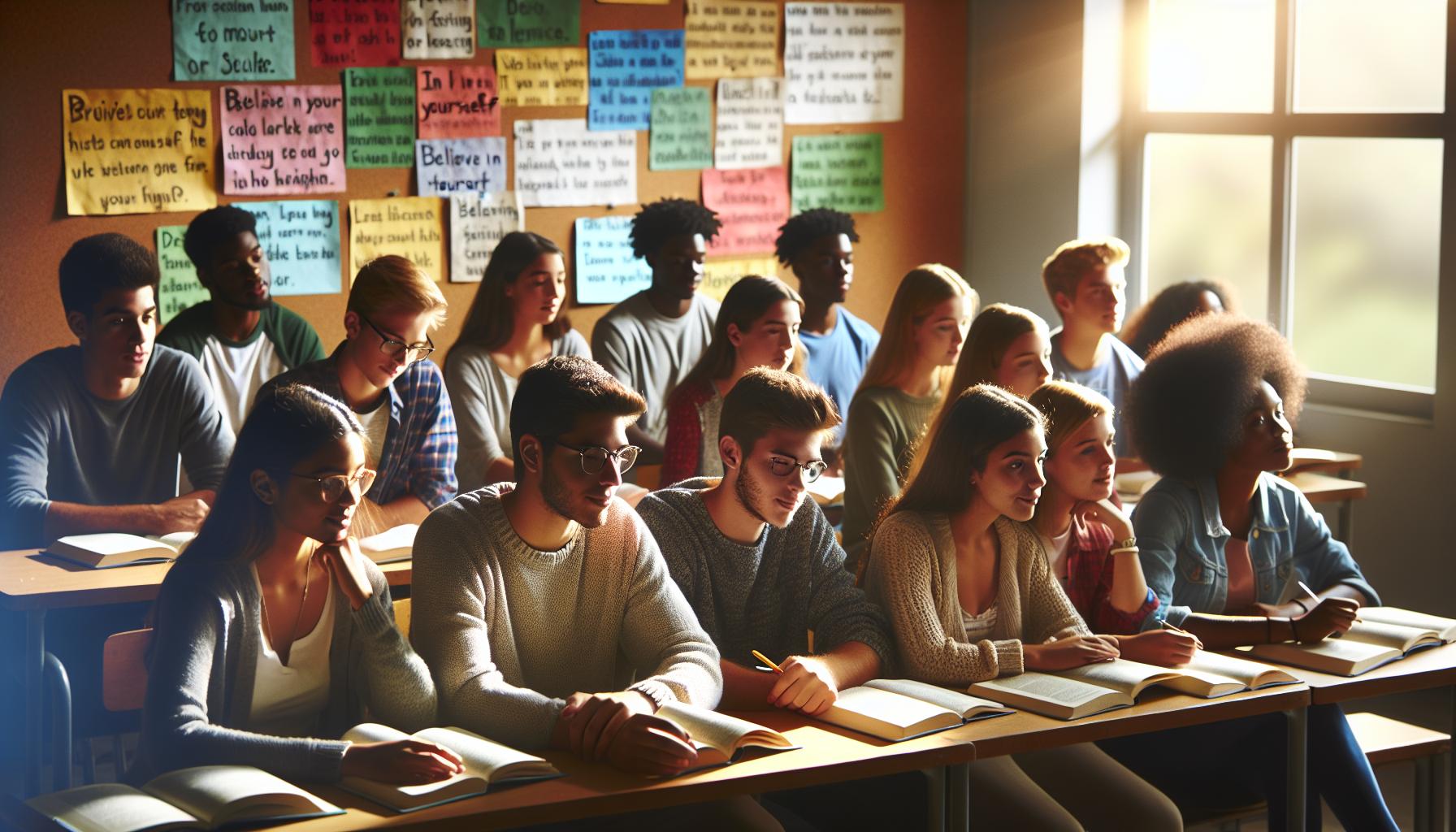
In the journey of academic life, students often encounter moments that call for motivation and encouragement. Inspirational quotes can serve as powerful reminders of resilience and determination, helping students push through challenges and embrace new experiences. The right words can uplift spirits, reinforce self-belief, and remind them that they are not alone in their pursuits.
To tap into the motivational power of quotes, consider these examples that resonate especially well with students facing exams, new beginnings, or significant life changes:
- “The future belongs to those who believe in the beauty of their dreams.” – Eleanor Roosevelt
- “Success is not final, failure is not fatal: It is the courage to continue that counts.” – Winston S. Churchill
- “You are never too old to set another goal or to dream a new dream.” – C.S. Lewis
- “Believe you can and you’re halfway there.” – Theodore Roosevelt
- “It always seems impossible until it’s done.” – Nelson Mandela
These quotes not only inspire but also invite reflection on personal goals and aspirations. When sharing these messages, consider personalizing them to align with the student’s specific situation. For example, if a student is preparing for a big exam, you might combine a quote with a message of support like, “Just like Eleanor Roosevelt said, your dreams are within reach. Trust your preparation, and you’ll do great!”
Additionally, using visuals can enhance the impact of these quotes. Create engaging social media posts or print them on cards to give a tangible reminder to students. This combination of inspirational messages and personal connection can significantly uplift students in their time of need, reinforcing their confidence and motivation as they navigate through their challenges.
Personalizing Your Good Luck Wishes

In a world where academic pressures can feel overwhelming, personalized good luck wishes can make a significant difference for students embarking on new challenges. Tailoring your messages not only shows that you care, but it also helps students feel more connected and supported as they navigate their journeys. Whether it’s an exam, a presentation, or a new phase in their educational path, knowing that someone believes in them can bolster their confidence.
When crafting personalized messages, consider the specific situation the student is facing. If they’re preparing for a final exam, a message like, “I know you’ve worked hard this semester and are ready to shine on exam day. Just remember, you’ve got this!” speaks directly to their effort and potential. For students moving into a new phase, try something like, “As you start this exciting new chapter, always remember that challenges are just opportunities in disguise.” This not only acknowledges their current experience but also reinforces a positive mindset.
Utilizing personal anecdotes or shared experiences can also enhance the relatability of your wishes. For instance, if you’ve faced a similar challenge, you might say, “I remember how nervous I felt before my first big presentation, but I learned that preparation and practice can conquer fear. I believe in your ability to excel!” This adds a level of authenticity and encourages students that they are not alone in their struggles.
To elevate your personalized wishes further, consider adding visual elements. Adding the student’s favorite colors or images related to their interest can make a simple card more special. Digital platforms also allow for creative expressions-consider editing a photo of a motivational quote alongside a personal message and sharing it through social media or messaging apps. By taking the time to make your good luck wishes unique and heartfelt, you empower students to face their challenges with renewed strength and optimism.
Top Themes for Motivational Messages

Crafting motivational messages rooted in strong themes can significantly uplift students during challenging times. Using themes like resilience, growth mindset, and support can resonate deeply and encourage students to persevere. These motifs not only highlight the value of hard work but also reinforce the idea that challenges can foster personal development and strength.
Resilience
Messages centered around resilience can remind students that setbacks are part of the journey and that bouncing back is essential for success. Using phrases like, “Remember that every challenge you face is an opportunity to grow stronger,” can inspire a positive outlook. Sharing stories of famous individuals who overcame significant challenges can also serve to motivate, emphasizing that they, too, can rise above obstacles.
Growth Mindset
Messages promoting a growth mindset focus on the belief that abilities can be developed through dedication and effort. Encouraging students to embrace challenges and view them as a path to mastery can shift their perspective. For instance, a message such as, “Every effort you make today is shaping your future; keep pushing your boundaries!” reinforces that learning stems not from innate talent but from persistence and hard work.
Support and Community
Expressing support can create a sense of belonging, which is vital for students. Messages that convey that the sender is in their corner can reduce anxiety and boost motivation. Using phrases like, “You are not alone; we’re all cheering for you every step of the way!” fosters a supportive environment. Highlighting the importance of community can encourage students to seek help from peers, teachers, or mentors when needed.
By integrating these themes into good luck messages, you help cultivate an uplifting atmosphere that encourages students to strive for their best. Making use of these foundational ideas can ensure that your messages not only motivate but also resonate on a personal level, ultimately enhancing students’ confidence and emotional resilience.
Good Luck Messages for Different Occasions

Offering meaningful good luck messages tailored to specific occasions can make a significant difference in uplifting students and helping them feel confident as they face various challenges. Whether it’s for exams, performances, job interviews, or new school terms, the right words can provide that extra boost of encouragement.
For instance, sending messages that resonate with the specific situation can enhance the impact of your good luck wishes. Here are some relatable examples for different occasions:
Exams
When students are preparing for exams, it’s essential to acknowledge the hard work they’ve put in. A message like, “You’ve studied hard; now trust yourself and do your best! Good luck!” not only wishes them luck but also reminds them of their preparation.
Job Interviews
For students entering the job market, a well-crafted good luck message can ease anxiety. Something like, “Remember that you bring unique skills and perspectives to the table. Go show them what you’re made of!” can bolster their confidence.
Performances
In the case of students participating in concerts, drama, or sports events, using messages that emphasize effort and passion can be motivating. Messages such as, “Your hard work and dedication shine through. Enjoy every moment on stage!” can help them focus on enjoying the experience rather than just the outcome.
New Adventures
For those embarking on new educational journeys, a supportive message can set a positive tone. Consider saying, “Every new beginning comes from some other beginning’s end. Embrace this journey, and know that you’re capable of amazing things!” This encourages an optimistic outlook on their upcoming challenges.
Incorporating these personalized messages into cards or digital greetings can help establish a connection that inspires students to push through their difficulties, reinforcing a sense of community and support. Tailoring your good luck messages to align with specific occasions not only highlights your genuine concern but also fosters motivation and confidence among students as they navigate their academic and personal journeys.
Using Humor to Encourage Students
Humor can be a powerful tool in alleviating stress and putting students at ease before a big challenge. When facing intimidating situations like exams, performances, or even interviews, students often carry a heavy mental burden. Lightening the mood with a well-timed joke or a humorous message can help ease their anxiety and make them feel more confident. For example, a playful message such as, “Good luck on your exam! Remember: the less you study, the better you feel when you pass!” can bring a smile to their face while simultaneously reinforcing a positive outlook.
Incorporating humor into good luck messages can take many forms. One effective approach is to use relatable situations that students encounter. You might say something like, “You’ve got this! Just pretend you’re explaining everything to your favorite stuffed animal – nobody knows more than they do!” This tactic not only ignites laughter but also helps students visualize their knowledge in a stress-free context, boosting their confidence as they prepare.
Another fun idea to encourage students is to use puns or playful language. For instance, “May your grades be high, and your stress be low! Now go ace that test like a pro!” Such messages cater to their academic pursuits with a light-hearted twist, reminding them that humor can coexist with seriousness. Encouraging them to embrace a playful attitude can result in a more relaxed mindset, ultimately enhancing their performance.
Remember, the goal of using humor is not to minimize the challenges students face but to create a supportive atmosphere that encourages resilience. Importantly, every student has a different sense of humor, so consider their personality and preferences when delivering a humorous message. By combining laughter with encouragement, you foster an environment where students feel empowered to tackle their challenges head-on, knowing they have the support to succeed.
Digital Good Luck Wishes: Ideas for Social Media
In the age of digital communication, expressing good luck wishes to students has never been easier or more impactful. Social media platforms like Instagram, Twitter, and Facebook provide a unique opportunity to share heartfelt messages of encouragement with just a few clicks. Crafting digital good luck wishes allows you to reach a wider audience and support students as they face various challenges, whether it’s exams, interviews, or new endeavors.
To create engaging digital good luck wishes, consider incorporating visually appealing graphics or images that resonate with students. A simple yet effective idea is to use bright backgrounds and motivational quotes superimposed on them. For example, a graphic that says, “You’ve prepared, now believe in yourself!” coupled with an image of a sunrise can uplift spirits and motivate students facing a daunting task. Tools like Canva or Adobe Spark can help design these visuals easily, allowing for customization that speaks to the recipient’s personality.
Another approach is to utilize stories or posts on social media to create short videos where you share your best wishes. Keeping the message personal and relatable can significantly enhance its impact. For instance, record yourself saying, “I know you’re going to ace your exam! Remember, every bit of hard work pays off!” This personal touch can make students feel directly supported and valued. You can also share tips for stress relief or study strategies within these messages to provide not only encouragement but also practical advice that can help them succeed.
Lastly, leveraging hashtags can increase the visibility of your posts and connect students with broader motivational messages. Consider using tags like #GoodLuckStudents, #BelieveInYourself, or #YouGotThis to create a supportive online community. These messages can serve as a reminder that they are not alone in their challenges and that many others are rooting for their success. Through social media, you can foster a network of encouragement and positivity, making a significant difference in a student’s academic journey.
Symbolism Behind Good Luck Wishes
The way we express good luck wishes carries deeper meaning than often perceived, as these messages are laden with cultural symbolism and personal significance. Good luck wishes not only convey our desire for others to succeed; they also serve to instill hope, boost confidence, and remind recipients of their capabilities. When students receive encouragement, they tap into the symbolic power of community, support, and shared optimism, which can foster resilience in facing challenges like exams, presentations, or new ventures.
Understanding Symbols in Good Luck Messages
Various symbols associated with good luck can enhance these messages, often creating a bridge between cultural heritage and personal belief. For example, the four-leaf clover is widely recognized for its rarity and blessings, symbolizing fortune and prosperity. Incorporating such symbols in your messages-like saying, “May you find your four-leaf clover as you take this important step”-can enrich the sentiment and depth of your wishes. Similarly, imagery of horseshoes or the color green is often associated with good luck in different cultures; referring to these can resonate with students from diverse backgrounds.
Another fascinating aspect lies in the format of good luck wishes. Handwritten notes carry a personal touch, serving as tangibles reminders of support, which is critical during stressful times. On the other hand, digital formats-like social media posts featuring encouraging quotes-can spread positive vibes quickly and broadly. Crafting messages that blend symbols, such as “Sending you all the positive vibes today! Like a horseshoe, may you always find the right path,” can serve as both motivation and a gentle reminder of supportive communities.
The Role of Personal Connection
While the symbols enhance the message, the personalization behind them amplifies its impact. On occasions when students are gearing up for exams or major presentations, relevant references to their personal experiences can serve as a tremendous boost. For instance, recalling a recent achievement or effort they put into study habits in your good luck wishes can remind them of their strengths. This not only cultivates a sense of connection but also reinforces the belief that they have what it takes to succeed.
To sum up, good luck wishes resonate powerfully when intertwined with meaningful symbols, personal touches, and shared optimism. Understanding the symbolism behind these messages allows you to craft words that not only wish success but also empower students to believe in themselves and their abilities as they navigate their academic journeys.
Creative Formats for Sending Encouragement
There are countless ways to creatively convey encouragement and good luck wishes to students, transcending traditional cards or verbal statements. In the digital age, utilizing various formats not only makes these messages more relatable but also ensures they resonate deeply with the recipient, boosting their confidence as they face their challenges.
One vibrant format is the use of social media. Platforms like Instagram or Facebook allow for the sharing of inspiring quotes paired with encouraging images. A simple caption such as, “Believe in yourself today! You’ve got this!” alongside a motivational graphic can ignite positivity. Additionally, creating a dedicated hashtag can foster a sense of community where students can share their own experiences and encouragement.
Personalized Video Messages
Sending personalized video messages can take the encouragement a step further. Whether it’s a fun TikTok or a heartfelt recording, seeing a familiar face delivering a good luck message can have a profound effect. It allows for a personal touch that written words may not fully convey. For instance, a teacher or mentor could record a short message expressing their belief in a student’s abilities, making it feel intimate and encouraging.
Engaging Digital Challenges
Digital formats can also involve interactive elements. Consider initiating a group challenge, such as a journaling prompt or a shared playlist geared towards studying or motivation. You could encourage classmates to contribute their favorite study songs or quotes to create a collective atmosphere of support. This not only sends good luck wishes but also builds a network of camaraderie and shared experiences among students.
Incorporating varied formats for good luck wishes helps to make students feel supported in unique and engaging ways. By utilizing social media, personalized videos, and interactive challenges, you create an environment where encouragement is abundant and accessible, helping students feel empowered and ready to tackle their challenges head-on.
Cultural Expressions of Good Luck
Every culture around the world has its own unique ways to express goodwill and impart luck, especially in situations where students face challenges like exams, performances, or significant life transitions. Understanding these cultural expressions can provide valuable insights into how to craft meaningful good luck messages that resonate with diverse backgrounds.
In many Asian cultures, for instance, red envelopes known as “hongbao” are traditionally given to students before exams as symbols of good luck and prosperity. This not only conveys encouragement but also creates a tangible connection between the giver and the recipient. Similarly, in cultures like that of the Irish, one might wish someone “the luck of the Irish,” invoking a charm associated with success and fortune.
Additionally, symbols play a crucial role in expressing good luck across different cultures. Four-leaf clovers, for example, are seen as lucky in Western cultures, while in Japanese culture, the maneki-neko (beckoning cat) is believed to bring prosperity and good fortune. Incorporating these symbols in your good luck wishes can evoke a sense of optimism. For example, adding an image of a four-leaf clover on a card or digital message can enhance the encouragement you offer to students.
Creating Inclusive Good Luck Messages
When crafting messages, it’s essential to be sensitive to cultural variations. What might be considered a sign of luck in one culture could have different implications in another. For instance, while the color white symbolizes purity in many cultures, it is often associated with mourning in others. To create inclusive messages, consider using universal themes such as perseverance, friendship, and hard work-qualities that transcend cultural barriers.
Here are some practical tips for infusing cultural expressions into your good luck messages:
- Research cultural symbols: Take note of symbols or phrases associated with good luck in the student’s culture and incorporate these into your messages.
- Ask for input: If you’re unsure of the best way to express good luck, don’t hesitate to ask the student what resonates with them culturally.
- Use positive affirmations: Regardless of cultural background, positive affirmations like “You are capable,” and “Believe in yourself” are always encouraging.
Understanding and respecting the cultural nuances of good luck expressions can foster a deeper connection and provide meaningful encouragement to students, helping them navigate their challenges with added support and positivity.
The Psychology of Motivation in Students
Understanding the psychology of motivation is essential for supporting students as they navigate challenges, such as exams or significant life transitions. Motivation is not merely a fleeting feeling; it is a complex interplay of intrinsic and extrinsic factors that can be effectively influenced by well-crafted good luck messages. Tailoring these messages to inspire and uplift can significantly boost a student’s confidence and determination, creating a positive feedback loop that enhances performance.
One of the key principles in fostering motivation is the concept of self-efficacy, which is a student’s belief in their ability to succeed in specific situations. When students receive positive reinforcement-such as encouraging good luck messages-it can enhance their self-efficacy. For instance, a note saying, “You’ve studied hard, and I believe in you!” reinforces their effort and builds confidence. Providing realistic expectations, combined with support, can help students approach their tasks with a more positive and determined mindset.
Additionally, setting goals can motivate students to strive for success. Good luck messages can be infused with goal-oriented language, such as, “You’re on your way to achieving great things, one step at a time!” This encourages students to focus on their progress rather than the end results, which can alleviate anxiety. By celebrating small victories and setting incremental goals, students are more likely to stay motivated and believe in their capabilities.
Creating a supportive environment is also crucial. Surrounding students with positive affirmations, whether through messages or verbal encouragement, fosters a community that increases resilience. Especially for international students or those facing unfamiliar challenges, knowing that they have backing can make a world of difference. Simple phrases like, “You are not alone in this-we all have faith in you!” can cultivate a sense of belonging and encouragement, which is vital for sustained motivation.
In summary, understanding the psychological aspects of motivation allows for more effective communication when wishing students good luck. Focused messaging that enhances self-efficacy, promotes goal-setting, and fosters a supportive community can empower students to overcome their challenges and thrive academically and personally. Such strategies not only uplift students but also help them build the resilience needed to tackle future obstacles.
Impact of Positive Messages on Performance
Positive messages are more than just kind words; they can significantly impact a student’s performance in various academic and life situations. Research indicates that supportive verbal encouragement can enhance self-esteem, increase motivation, and reduce anxiety, all of which are critical for optimal performance. For instance, a student who receives a heartfelt message like, “You’ve put in the effort, and you’re capable of great things,” may feel a boost in confidence that translates into better focus and exam results.
One effective way to harness the power of positive messages is by incorporating specific and personalized encouragement rather than generic statements. When students know that someone has noticed their hard work or achievements, it cultivates a deeper sense of commitment and resilience. For example, sending a message that acknowledges specific milestones-such as completing an important project or improving a grade-can create a strong emotional connection that motivates them to strive for continued success.
Understanding the psychological components of motivation can further enhance the effectiveness of good luck wishes. Self-efficacy, or the belief in one’s ability to succeed, plays a crucial role in how students approach challenges. Encouraging messages that reinforce their abilities not only affirm their past efforts but also instill a mindset geared toward growth and learning. Using phrases like, “Every small step you take adds up-keep going!” helps students internalize the idea that progress is achievable through persistence.
Lastly, the ripple effect of positivity cannot be overstated. When students feel supported by their peers, mentors, or educators, they are likely to pay it forward by uplifting others. Creating a culture of encouragement can lead to improved academic outcomes and foster a more collaborative learning environment. Simple practices-like sharing motivational quotes or heartfelt messages-can inspire a community spirit that enhances overall performance and promotes well-being among all students.
Q&A
Q: How can I wish good luck to students in a creative way?
A: Wishing good luck creatively can involve using personalized messages, such as incorporating inside jokes or shared experiences. You can also design a unique card or digital image with uplifting quotes. Refer to “Crafting Meaningful Good Luck Messages” for more ideas.
Q: What are some motivational quotes to encourage students?
A: Motivational quotes like “Believe you can and you’re halfway there” (Theodore Roosevelt) or “You are never too old to set another goal” (C.S. Lewis) can inspire students. Check “Inspirational Quotes to Uplift Students” for more impactful quotes that resonate with various challenges.
Q: How do cultural expressions influence good luck wishes for students?
A: Cultural expressions of good luck often reflect local traditions and beliefs, shaping the way encouragement is conveyed. Understanding these can enhance your message’s impact, as discussed in the section on “Cultural Expressions of Good Luck.”
Q: What role does humor play in encouraging students?
A: Humor can lighten the mood and alleviate stress, making it an effective tool for encouragement. Incorporating funny sayings or relatable anecdotes can create a supportive atmosphere. Explore “Using Humor to Encourage Students” for specific examples.
Q: How can I personalize good luck wishes for different occasions?
A: Tailoring your good luck messages to specific occasions, such as exams or graduations, can make them more meaningful. Mention the specific challenges or accomplishments the student is facing for a more personalized touch. See “Good Luck Messages for Different Occasions” for ideas.
Q: What are effective digital platforms for sending good luck wishes?
A: Social media, messaging apps, or e-cards are great digital platforms for sending good luck wishes. Utilizing visuals and timely messages can enhance engagement. Refer to “Digital Good Luck Wishes: Ideas for Social Media” for creative options.
Q: How can I incorporate symbolism into my good luck messages?
A: Using symbols like four-leaf clovers for luck or owls for wisdom can add depth to your messages. This approach combines creativity with tradition, as explored in “Symbolism Behind Good Luck Wishes.”
Q: What psychological impact do positive messages have on student performance?
A: Positive messages can boost confidence and motivation, leading to improved performance in students. By fostering a supportive environment through encouraging words, you can enhance their mindset, as discussed in “The Psychology of Motivation in Students.”
Key Takeaways
As you prepare to share your best wishes with students, remember that your words can inspire confidence and motivate success. Use the motivational messages we’ve explored to create connections and uplift their spirits during challenging times. For more tips on fostering student engagement and cultivating a supportive learning environment, check out our related articles on academic success and life skills.
Don’t miss out on valuable resources that can further enrich your understanding. Consider subscribing to our newsletter for regular insights on educational strategies, or explore our comprehensive guides on student finance and career preparation. Join the conversation-share your favorite motivational messages in the comments below, and let’s continue to support our students together!