Uniforms in schools have sparked vibrant discussions among educators, parents, and students alike. Did you know that studies suggest uniforms can significantly reduce distractions and foster a sense of belonging among students? As we explore the expert views on why students should wear uniforms, it’s essential to consider their impact not just on academic performance, but also on self-esteem and social dynamics. Addressing common concerns such as individuality and comfort, this article will uncover the practical benefits of school uniforms, offering insights that resonate with your goals of creating a supportive and focused learning environment. Whether you’re a parent thinking about the implications for your child, or a student navigating peer relationships, understanding the rationale behind uniforms can empower you to make informed choices for academic and social success. Dive in as we reveal the multifaceted reasons that make uniforms a key element of school culture.
The History of School Uniforms: Origins and Evolution
The concept of school uniforms dates back centuries, with its roots firmly planted in educational traditions. The first recorded use of school uniforms occurred in England as early as 1222, when students were required to wear a robe-like garment called a “cappa clausa.” This early adoption was primarily a way to identify and distinguish students of certain institutions, highlighting the school’s identity and ethos. Over the years, uniforms have undergone a significant transformation, evolving from basic garments to more structured outfits embodying the principles of discipline, equality, and community.
In the 19th century, private schools in England began to formalize uniform policies. The trend migrated to the United States in the early 1900s, where private and parochial schools predominantly adopted uniforms. However, public schools were slow to follow suit due to varying opinions about conformity versus personal expression. By the late 20th century, public schools in the U.S. began implementing uniform policies, especially in response to increasing concerns about gang violence and the desire for academic focus. These developments reflect a broader cultural shift and the belief that uniforms could help foster a productive educational environment.
Today, the conversation around school uniforms continues to evolve globally. Many countries embrace uniforms as part of their education system, viewing them as tools for promoting equality among students from diverse socioeconomic backgrounds. As schools around the world adopt various policies, the benefits and implications of these uniforms provide rich avenues for discussion, influencing not only school culture but also students’ daily lives and experiences.
Understanding the historical context of school uniforms helps illuminate their current role in education. As a student navigating these policies, recognizing the significance of uniforms can empower you to engage meaningfully in discussions about their implementation and impact on your educational journey.
Benefits of Wearing Uniforms: Expert Insights

Wearing uniforms in educational settings can profoundly impact students’ overall experiences, fostering an environment where academic achievement can thrive. Studies indicate that uniforms can reduce distractions associated with fashion competition, allowing students to focus on their studies rather than on their attire. This shift can enhance academic performance and encourage a more serious approach to education. Furthermore, uniforms can simplify the morning routine, making it easier for students and parents alike, as the choices of daily outfits are minimized.
Promoting Equality and Reducing Bullying
One of the most significant advantages of school uniforms is their role in promoting equality among students. By standardizing what students wear, schools can diminish the visible economic differences that might lead to bullying or social ostracism. Uniforms help create a sense of community and belonging, which is critical for young people navigating their social environments.
In fact, many educators have noted a decrease in bullying and peer pressure related to clothing choices in schools with uniform policies. For example, a study conducted on the effects of uniforms found that a substantial percentage of students believed uniforms contributed to a reduction in disciplinary issues, as students felt less pressure to conform to various fashion trends that could otherwise lead to conflict and competition [[1]](https://www.unr.edu/nevada-today/news/2013/school-uniform-study).
Enhancing School Identity and Discipline
Another notable benefit of wearing uniforms is the enhancement of school identity. Uniforms foster a sense of pride and affiliation with the school, encouraging students to represent their institution positively. This sense of belonging can lead to improved behavior, as students are often more disciplined when they feel connected to their school environment. Schools that implement uniform policies frequently report better overall student behavior. With a collective identity, students might feel more accountable to one another, leading to a supportive atmosphere where everyone is encouraged to excel both academically and socially [[3]](https://www.nordangliaeducation.com/nais-manila/news/2020/07/24/the-benefits-of-schools-uniforms-and-why-schools-have-them).
In conclusion, the benefits of wearing uniforms extend beyond simple aesthetics; they touch on crucial aspects of student life, including academic focus, social equality, discipline, and school identity. By embracing these policies, schools can foster environments conducive to learning and personal growth, helping students navigate their educational journeys with confidence and a sense of belonging.
Critiques of School Uniforms: The Other Side of the Debate
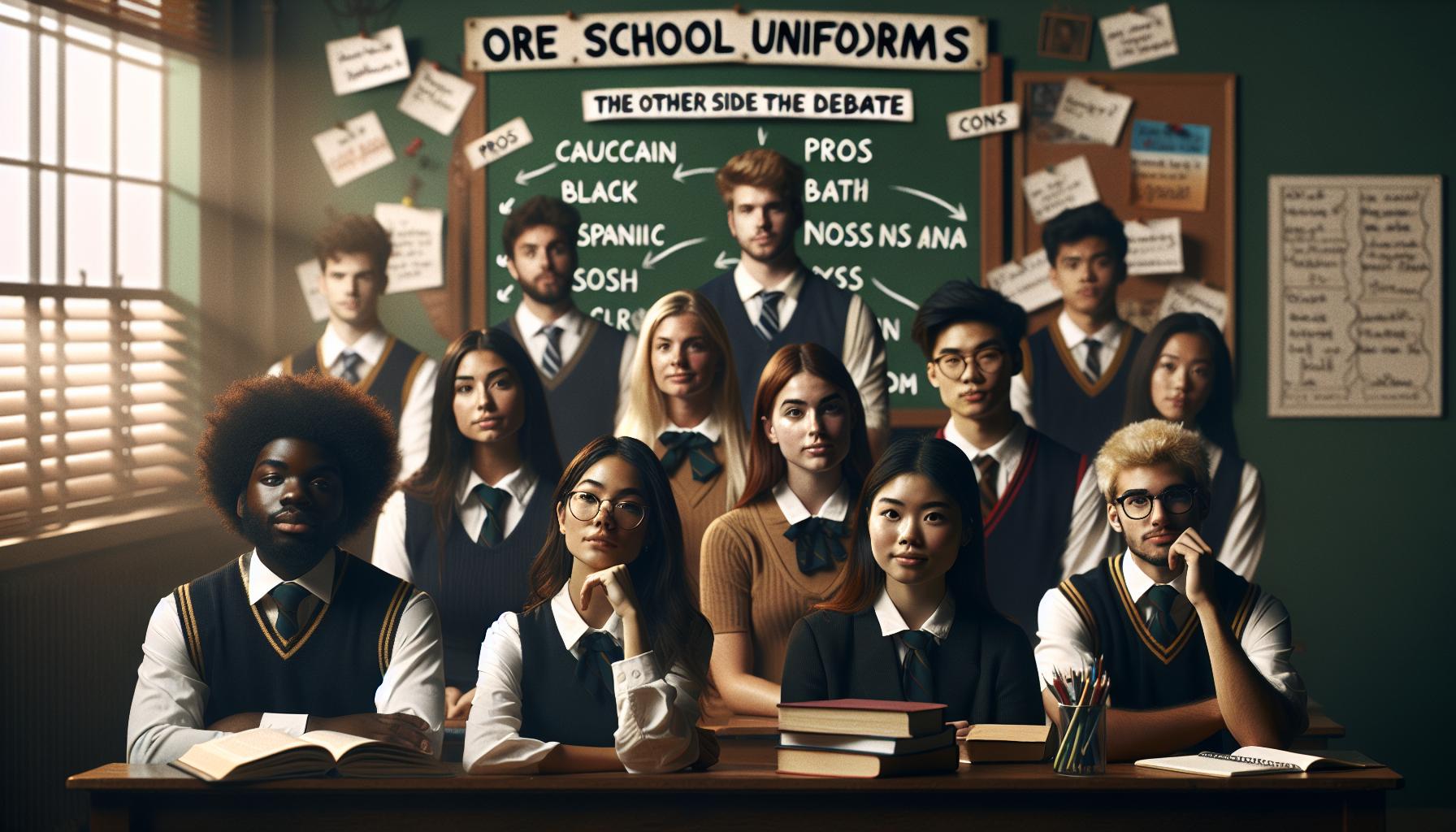
One of the most compelling arguments against school uniforms revolves around the issue of individuality. Critics argue that mandated dress codes stifle students’ personal expression, which is particularly significant during formative years. The ability to choose one’s clothing allows for self-exploration and the expression of personality, cultural identity, and creativity. For many students, fashion serves as a vital medium through which they can convey their identity and feelings. When schools enforce uniforms, they may inadvertently suppress these forms of self-expression, leading students to feel marginalized or disconnected from their personal identities.
Moreover, research has indicated that uniforms do not necessarily lead to a decrease in behavioral issues. For instance, surveys conducted in various schools have shown that a majority of students did not believe that wearing uniforms reduced fights or helped them feel a stronger sense of belonging within the school community[[2]](https://medium.com/future-of-school/should-schools-have-uniforms-data-backed-debate-in-2025-c09ac96dd543). Instead, the focus on uniforms can shift attention from addressing the root causes of conflict and behavioral problems, such as social dynamics and bullying, to purely surface-level solutions.
Another noteworthy concern is the financial burden that some families may face due to uniform requirements. While proponents argue that uniforms create a level playing field, the reality is that not all uniforms are affordable. Costs can add up quickly, especially if families must purchase several sets throughout the academic year. This can especially impact lower-income families, who may struggle to cover these additional expenses. Schools should be mindful of these financial implications and consider implementing more flexible dress codes that allow for both individuality and some degree of standardization, thereby accommodating diverse student needs and family situations.
In navigating the debate over school uniforms, it is essential for educators and policymakers to weigh the potential drawbacks against the intended benefits. A balanced approach that recognizes the importance of both community cohesion and individual expression can lead to more effective educational environments. Engaging students in discussions about dress codes and seeking their feedback can also empower them to take part in shaping their school culture, ultimately fostering a more inclusive and supportive educational setting.
Impact of Uniforms on Student Behavior and Performance

Research indicates that school uniforms may not hold the key to transforming student behavior and performance as many supporters believe. In fact, studies reveal a more nuanced picture. For instance, a comprehensive analysis by Ohio State University found that uniforms do not provide substantial improvements in student behavior or engagement. Rather than fostering a welcoming atmosphere, uniforms can lead to feelings of disconnect among students, as those in uniform-supporting schools reported a lesser sense of belonging compared to their peers in schools without such policies[[1]](https://www.wosu.org/news/2022-01-06/study-shows-school-uniforms-dont-improve-student-behavior).
Despite the assumption that school uniforms might reduce discipline issues and create a more focused educational environment, surveys show that a significant number of students do not believe that wearing uniforms enhances their school experience. Only about 30 percent of students surveyed indicated that uniforms might help diminish behavioral issues[[2]](https://www.unr.edu/nevada-today/news/2013/school-uniform-study). This suggests that while uniforms are intended to create a sense of order, they may detract from addressing the real challenges students face, such as social dynamics and bullying.
Moreover, the focus on attire can shift attention away from more impactful solutions. Instead of mandating uniforms, schools might benefit from fostering an inclusive environment through open dialogue about behavior and support for students facing social difficulties. Engaging students in these conversations allows them to participate in shaping school culture, reinforcing a sense of belonging while addressing behavior proactively.
Ultimately, while the intention behind school uniform policies often involves promoting discipline and unity, it is essential for educators to approach these initiatives with an understanding of their complex effects. By prioritizing open communication and considering the voices of students, schools can create a more positive behavioral atmosphere that respects individuality while still cultivating a sense of community.
The Role of Uniforms in Fostering School Identity
School uniforms can play a pivotal role in shaping a school’s identity, creating a shared sense of belonging among students while also fostering inclusivity and community spirit. When students wear similar attire, it can help blur the lines of socioeconomic differences, allowing them to focus on their educational goals rather than on fashion or personal style. This collective identity can stimulate pride in the school environment, encouraging students to feel like integral members of a cohesive community.
- Promotion of School Spirit: Uniforms often become a symbol of school pride. Students wearing uniforms may feel a greater connection to their school’s mission and values, leading to increased participation in school events and activities.
- Encouraging Equality: By standardizing what students wear, uniforms can help minimize distractions and peer pressures related to clothing styles. This creates a more equitable environment where students can express their individuality through their character and talents rather than their attire.
- Fostering Discipline and Focus: Uniforms can contribute to a more serious educational atmosphere. With less emphasis on personal appearance, students may find it easier to concentrate on their studies, which reinforces the school’s educational objectives.
Moreover, the implementation of school uniforms can serve as a concrete expression of the school’s philosophy and values. Institutions that adopt uniform policies often do so with the intention of promoting respect, responsibility, and a commitment to learning. This alignment can create a more unified approach to education, where both faculty and students work together towards common goals.
Ultimately, while some may argue against the necessity of uniforms, it’s essential to consider how they can enrich the school identity and foster a supportive environment where all students feel they belong. For both domestic and international students, this sense of community and collective purpose can significantly enhance the overall educational experience, leading to a supportive network that nurtures academic success and personal growth.
Comparing Uniform Policies Across Different Countries
Across the globe, school uniform policies can differ widely, influenced by cultural values, educational philosophies, and societal expectations. Understanding these variations can help students and parents navigate their respective environments more effectively while providing insights into the potential benefits and drawbacks of uniform requirements.
In countries like Japan, uniforms are not just practical attire; they are steeped in tradition and fashion. Students often don “sailor suits” or “gakuran,” which have become symbols of school identity and pride. This connection fosters a sense of belonging, encouraging students to participate actively in school events and enhance community spirit. The Japanese approach illustrates how uniforms can blend education with cultural expression, making them not only functional but also fashionable.
Contrastingly, in many North American schools, the idea of uniforms is less prevalent. While some private institutions adopt dress codes to reduce distractions and promote equality, public schools often celebrate individuality through casual dress. This diversity allows students to express themselves but can sometimes lead to social pressure based on clothing brands and styles, which may detract from the learning atmosphere. Here, the debate over uniforms often centers on personal freedom versus collective identity.
In the United Kingdom, uniforms are a staple in both primary and secondary schools. The British model places a high value on discipline and a sense of community, with most schools employing strict uniform policies to promote equality and reduce peer pressure regarding attire. This approach aims to create a focused educational environment where students concentrate on learning rather than fashion trends.
Additionally, some schools around the world are starting to blur the lines by adopting “smart casual” dress codes. These policies allow for a bit more flexibility, enabling students to wear items that reflect their personal style while maintaining an overall cohesive look. This approach can cater to students who desire individuality without sacrificing the benefits of a unified appearance.
Ultimately, understanding these global variations in school uniform policies can empower students and parents to advocate for practices that align best with their educational values. By examining different models, one can appreciate the multifaceted role uniforms play in shaping school culture, promoting equality, and encouraging discipline while still allowing for individual preferences in some instances.
Navigating Uniform Requirements: What Parents Should Know
Understanding school uniform requirements can feel overwhelming for parents, especially when schools have different policies and expectations. It’s important to know that uniforms are more than just clothing; they can play a significant role in a student’s school experience, impacting everything from social dynamics to academic performance. As such, equipping yourself with the right information can help navigate any challenges and ensure that your child thrives in their educational environment.
To begin, familiarize yourself with the specific dress code of your child’s school. Most schools provide a detailed list of uniform requirements, including acceptable colors, styles, and accessories. Always check if there are specific brands or stores from which uniforms must be purchased or if there are secondhand options available. This can help manage costs while adhering to the policy. Additionally, understanding the reasons behind these requirements-like promoting a sense of community, reducing peer pressure, and ensuring student safety-can help parents better communicate the importance of uniforms to their children.
Another key factor to consider is the financial aspect of uniforms. While some schools may offer vouchers or assistance programs for families in need, budgeting for uniforms ahead of time can alleviate stress. Create a shopping list that includes essential items like shirts, pants, or skirts, and consider shopping during sales or exploring online marketplaces for discounts. If uniform pieces are damaged or outgrown, check with the school for resale options that may exist, allowing for budget-friendly replacements.
Involve your child in the process as well. Include them in discussions about their uniform preferences-whether they prefer certain fits or need specific items for comfort. Empowering your child to express their style within uniform guidelines can foster feelings of ownership and pride in their appearance. Encourage them to accessorize with personal touches like belts or shoes that still comply with the uniform policy.
Ultimately, by staying informed, budgeting smartly, and engaging your child in discussions about their uniform experience, parents can help to navigate uniform requirements with ease and ensure that their children feel confident and ready for the school day. This proactive approach not only lessens the logistical burdens but also contributes positively to a child’s overall school experience.
Alternatives to Traditional Uniforms: Creative Solutions
Exploring alternatives to traditional school uniforms can open up new avenues for student expression while maintaining a sense of community and discipline in the classroom. Many educators and policymakers are recognizing the need for balance between individual style and uniformity, leading to creative solutions that cater to diverse student needs.
One effective approach to implementing alternatives is through a “smart casual” dress code. This allows students to wear a mix of professional and comfortable clothing, such as polo shirts paired with khakis or skirts. This option not only promotes a polished appearance but also encourages students to demonstrate their personality through clothing choices while staying within acceptable parameters. Schools can also consider establishing a color palette instead of strict uniform guidelines, allowing students to freely choose outfits that meet certain color criteria, fostering both creativity and unity.
Another innovative solution is the introduction of theme days or spirit weeks, where students dress according to specific themes-such as pajama day, sports team day, or cultural attire day. These events can significantly reduce the monotony of daily uniforms and instill school spirit, promoting inclusivity and excitement among students. This method gives students an opportunity to express individuality and showcase their unique cultures without completely abandoning the structure that a uniform policy provides.
To further accommodate students with sensory sensitivities, focus on fabric and fit can make a significant difference. Schools can provide guidance on fabric types, suggesting breathable and soft materials that minimize discomfort. Additionally, creating a flexible uniform policy that allows for adjustments like looser fits can ensure comfort for every student. Engaging parents, students, and educators in the dress code discussions can yield valuable insights and lead to a more inclusive approach.
In essence, embracing alternatives to traditional uniforms not only allows for self-expression but also respects diverse student experiences. Implementing creative solutions can help maintain a conducive learning environment while addressing students’ individual needs-ultimately fostering a positive school culture that honors both identity and unity.
The Financial Implications of School Uniforms for Families
The financial implications of school uniforms can significantly affect families, particularly those on tight budgets. For many parents, the costs associated with specific uniform items such as shirts, pants, belts, and accessories add an unwelcome burden to their already stretched finances. This concern is particularly pronounced for low-income families, where these additional expenses can disrupt other essential budgeting areas like housing, food, and healthcare. Research indicates that uniforms, while intended to promote equality and focus on education, can inadvertently create a financial strain that might detract from their intended benefits [[2]].
Furthermore, when schools enforce strict uniform policies, parents must often buy multiple sets to ensure their children have adequate clothing for different days of the week. This can quickly escalate into a significant expense. For example, if a basic uniform set costs approximately 0, a family with multiple children might find themselves spending several hundred dollars at the start of each school year. For families already facing financial hardship, such outlays can be overwhelming [[1]].
To alleviate some of these financial burdens, families can consider several strategies. First, many schools offer second-hand uniform sales or exchanges that can help offset new uniform costs. Additionally, forming groups with other parents to purchase uniforms in bulk can result in discounts. Some families also explore alternative clothing shops that offer budget-friendly pieces replicating the uniform style but at a lower cost, thereby creating opportunities for students to follow the dress code without breaking the bank.
By understanding and addressing the financial impacts of uniforms, schools can better communicate options and resources available to families. Encouraging transparency and providing assistance can help ensure that the implementation of uniform policies supports, rather than hinders, students’ educational experiences and family finances. In navigating these challenges, parents can maintain open dialogue with school administrators to advocate for flexibility and support resources, ultimately cultivating a more inclusive environment for all students.
Voice of the Students: Perspectives on Uniform Policies
Many students have strong feelings about school uniforms, with opinions shaped by personal experiences and cultural perspectives. While some appreciate the equality and sense of belonging that uniforms can foster, others voice concerns about personal expression and comfort. These viewpoints provide valuable insights into the debate around uniform policies in schools.
One common sentiment among students in favor of uniforms is that they level the playing field. In a uniform, a student feels less pressure to showcase brand-name clothing or follow the latest fashion trends, which can be a significant source of anxiety. They report that this can lead to a more focused academic environment where students are judged on their abilities rather than their attire. For example, students have noted that wearing a uniform can help reduce bullying related to clothing choices, allowing them to concentrate more on their studies and less on peer dynamics.
Conversely, those opposed to uniforms often express a desire for individuality and personal expression. They believe that clothing plays a critical role in self-identity and that uniforms stifle their ability to express who they are. Many argue that allowing personal choice in attire could enhance comfort and overall morale, leading to increased student engagement. In feedback sessions, students have suggested that schools could find a balance by allowing some flexibility, such as designated “dress-down” days where students can wear casual attire, fostering a sense of community while still respecting individual preferences.
For those navigating their own feelings toward uniform policies, it’s essential to engage in open discussions with administrators and peers. Students can articulate their concerns and preferences in constructive manners, potentially influencing policies to better reflect their needs. By participating in school forums or student councils, they can become advocates for a system that honors both the collective needs for unity and the individual desires for self-expression.
In summary, students’ perspectives on uniform policies reflect a diverse array of experiences and opinions. Whether viewing uniforms as a facilitator of equality and focus or as a constraint on personal expression, students’ voices are critical in shaping the conversation around dress codes in their schools. Listening to these voices and fostering discussions can create more inclusive environments where all students feel valued and understood.
Case Studies: Success Stories from Uniform-Wearing Schools
In recent years, several schools have adopted uniform policies and have subsequently reported remarkable benefits that go beyond simple dress codes. These success stories illustrate how uniforms can cultivate a sense of unity and purpose among students, enhancing both academic performance and social interactions within the school environment.
One notable example is a charter school in a diverse urban area, which implemented a uniform policy to address issues such as bullying and disengagement. Before the change, students often experienced peer pressure related to clothing choices, which detracted from their focus on studies. Following the introduction of uniforms, there was a significant drop in incidents of bullying directly related to clothing. The school reported not only a more harmonious atmosphere but also improved academic performance, with test scores rising across multiple subjects. Teachers noted an increase in classroom participation as students felt less distracted and more connected to their peers, as everyone was dressed similarly.
Additionally, a public high school in a suburban setting found that implementing a uniform policy contributed to a stronger school identity. The administration organized events where students could help design the uniforms, creating a sense of ownership and pride among the student body. As a result, school spirit soared, with increased participation in extracurricular activities and a notable decrease in disciplinary issues. Students expressed feeling more like a community, which enhanced their overall educational experience.
Furthermore, some schools have utilized uniforms as a means to prepare students for the professional world. A case study from an international school revealed that uniforms helped students learn the importance of presenting themselves appropriately, a skill that proved beneficial during internships and job interviews. This practical approach not only readied students for future career paths but also instilled a sense of responsibility and professionalism.
The implementation of school uniforms can be a powerful strategy to foster an environment conducive to learning and personal growth. As these success stories illustrate, uniforms can promote equality, enhance academic focus, and build a strong sense of community within schools, ultimately leading to students who are more engaged and successful both inside and outside the classroom.
Future of School Uniforms: Trends and Predictions
As the landscape of education continues to evolve, so too does the dialogue surrounding school uniforms. Recent trends indicate a shift in perceptions-the traditional view that uniforms are merely a means of enforcing discipline is being replaced by an understanding of their multifaceted role in education. This shift is granting school uniforms renewed significance, particularly as schools seek to foster inclusivity and reduce socio-economic disparities among students.
One of the most notable trends is the move towards customizable uniforms. Many schools are allowing students to have a say in their uniform designs, reflecting their unique identities while still adhering to a collective standard. This approach not only makes uniforms more appealing but also promotes student engagement and pride in their school community. Schools that involve students in the design process report improvements in morale and a stronger sense of belonging among the student body.
In addition, technological advancements are paving the way for innovative uniform solutions. Wearable tech and sustainable materials are gaining traction, with some schools experimenting with uniforms made from recycled fabrics and smart textiles that can adapt to different temperatures or track student activity. As sustainability becomes a central theme across various sectors, educational institutions are recognizing the importance of teaching students about environmental responsibility through their uniform policies.
Moreover, the global conversation around mental health is influencing uniform policies as well. Schools are increasingly considering how uniforms impact students’ psychological well-being. Research highlights that while some students may feel more secure in standardized attire, others argue that lack of personal expression can lead to feelings of confinement. As a result, educators are exploring options such as flexible dress codes that combine the benefits of uniforms with allowances for students to express their individuality, whether through accessories or permitted variations in uniform style.
Ultimately, the trajectory of school uniforms seems poised for transformation, focusing not only on discipline and appearance but also on building community, promoting sustainability, and supporting mental health. As schools navigate the complexities of modern education, embracing these changes could lead to a more positive, inclusive, and engaging school experience for all students.
Frequently asked questions
Q: Why do some experts advocate for school uniforms?
A: Experts argue that school uniforms promote equality among students by reducing peer pressure related to clothing choices. They believe uniforms help focus attention on education rather than fashion, fostering a more conducive learning environment. This perspective aligns with findings in the “Benefits of Wearing Uniforms: Expert Insights” section of our article.
Q: How do school uniforms impact student discipline?
A: Research suggests that school uniforms can positively affect student discipline by creating a sense of order and compliance. When students wear uniforms, there may be a reduction in disruptive behavior, contributing to a more serious academic atmosphere, as elaborated in the “Impact of Uniforms on Student Behavior and Performance” section.
Q: Are school uniforms a financial burden for families?
A: While some families may view uniforms as an added expense, they can ultimately save money by reducing the need for a broad wardrobe. Buying a few sets of uniforms can be more economical than constantly purchasing casual clothing, as discussed in “The Financial Implications of School Uniforms for Families.”
Q: What are the psychological effects of wearing uniforms on students?
A: Wearing uniforms can enhance students’ sense of belonging and identity within their school community. This connection can boost self-esteem and reduce anxiety about appearances, as detailed in “The Role of Uniforms in Fostering School Identity.”
Q: How do school uniform policies vary across different countries?
A: School uniform policies differ significantly worldwide, ranging from mandatory uniforms in some countries to entirely non-uniform policies in others. These variations reflect cultural attitudes towards education and discipline, as highlighted in “Comparing Uniform Policies Across Different Countries.”
Q: Can school uniforms help with student safety?
A: Yes, uniforms can improve student safety by making it easier to identify who belongs on campus. This can deter outsiders and potential disruptions, an angle covered in the article’s discussion on discipline and safety measures.
Q: What are the alternative solutions to traditional school uniforms?
A: Alternatives include dress codes that allow for flexibility while maintaining a sense of uniformity, such as color palettes or specific styles. Creative solutions can encourage individual expression without sacrificing group identity, as explored in “Alternatives to Traditional Uniforms: Creative Solutions.”
Q: How do students generally feel about wearing uniforms?
A: Student opinions about uniforms vary widely. Some appreciate the elimination of fashion competition, while others feel restricted. Their perspectives provide valuable insights into the effectiveness and acceptance of uniform policies, as discussed in “Voice of the Students: Perspectives on Uniform Policies.”
The Conclusion
As we’ve explored, the debate on whether students should wear uniforms is complex, with evidence both supporting and opposing the practice. While some studies suggest uniforms may enhance school identity and belonging, others highlight potential feelings of exclusion and disengagement among students. Understanding these perspectives is crucial for making informed decisions about school policies.
We encourage you to delve deeper into related topics like the impact of school culture on student success or strategies for fostering inclusivity in educational settings. Don’t forget to check out our comprehensive guides on financial management and academic success to empower your educational journey.
Join our community by signing up for our newsletter, where we share the latest insights and resources tailored for students. Share your thoughts in the comments below; we love hearing from you! Your voice matters in shaping the conversation about education.