When it comes to school life, many students may overlook the impact of uniforms on their daily experience. Surprisingly, wearing a school uniform can go beyond just adhering to a dress code. It fosters a sense of unity, diminishes peer pressure, and even enhances safety within the learning environment. As students navigate the challenges of education, these often-overlooked benefits of uniforms can play a pivotal role in their academic and personal development. In this article, we will explore five surprising advantages of school uniforms that can transform the educational landscape and equip students with valuable life skills. Embracing these insights may just change your perspective on what it means to dress for success in school!
The Positive Impact of Uniforms on Student Discipline
When students put on a uniform every day, they are not just donning garments but stepping into a world of discipline that fosters a focused and organized learning environment. Uniforms act as a subtle reminder of the responsibilities that come with being a student-an expectation of behavior that reflects the values of the educational institution. Schools that implement strict dress codes often notice a decline in behavioral issues, as uniforms minimize the distractions that clothing choices can create.
Research indicates that the presence of uniforms in schools can significantly enhance students’ sense of belonging and accountability. For instance, when students are dressed similarly, it helps establish a shared identity, which can reduce instances of disruption and promote adherence to school rules. This alignment cultivates a mindset where students are more likely to respect their peers, teachers, and the learning environment, ultimately contributing to improved discipline among the student body.
Moreover, uniforms simplify daily decisions for students, which can help reduce stress and focus their energy on academic pursuits rather than fashion competition. Students can spend less time worrying about what to wear and more time concentrating on their studies, leading to potentially higher academic engagement and performance. This structured approach not only supports positive behaviors but also instills time-management skills that are invaluable in higher education and beyond.
In summary, the implementation of school uniforms nurtures a disciplined atmosphere conducive to learning. By reinforcing communal values, promoting equality, and alleviating social pressures, uniforms play a crucial role in shaping not only student behavior but also their overall academic journey.
Enhancing School Spirit and Unity Through Uniforms

Students experience a unique bond when they wear uniforms; it creates an instant sense of belonging and team spirit that is often difficult to replicate in a traditional dress code environment. When students are dressed alike, they visually signify their identity as part of a community, fostering unity and school pride. This shared experience can lead to stronger friendships and a greater commitment to school values, as everyone feels equally represented and included within the school culture.
Moreover, uniforms act as a unifying element during school events, such as sports competitions or clubs. Picture a football game where every player is decked out in the same colors; it not only boosts team spirit but also encourages students to rally behind their peers, creating a more vibrant and engaging atmosphere. This visual identity enhances the experience for both participants and spectators, reinforcing the idea that they are all part of a larger family working towards common goals.
In addition to promoting camaraderie, uniforms can decrease competitiveness among students regarding fashion choices. This reduction in social pressure allows students to focus on their studies and extracurricular activities rather than what they or others are wearing. The energy that might have gone into outfits can instead be redirected towards building relationships and participating in school traditions, further strengthening the sense of unity.
Ultimately, the uniform serves as a daily reminder of the collective identity shared by students. By reinforcing a sense of belonging, schools can cultivate an environment rich in support and encouragement, where every student feels valued. Integrating rituals such as ‘Uniform Days’ or themed events can further harness this spirit, allowing students to express their enthusiasm while maintaining the essential principles of unity and pride in their educational journey.
Boosting Academic Performance: The Role of Uniforms
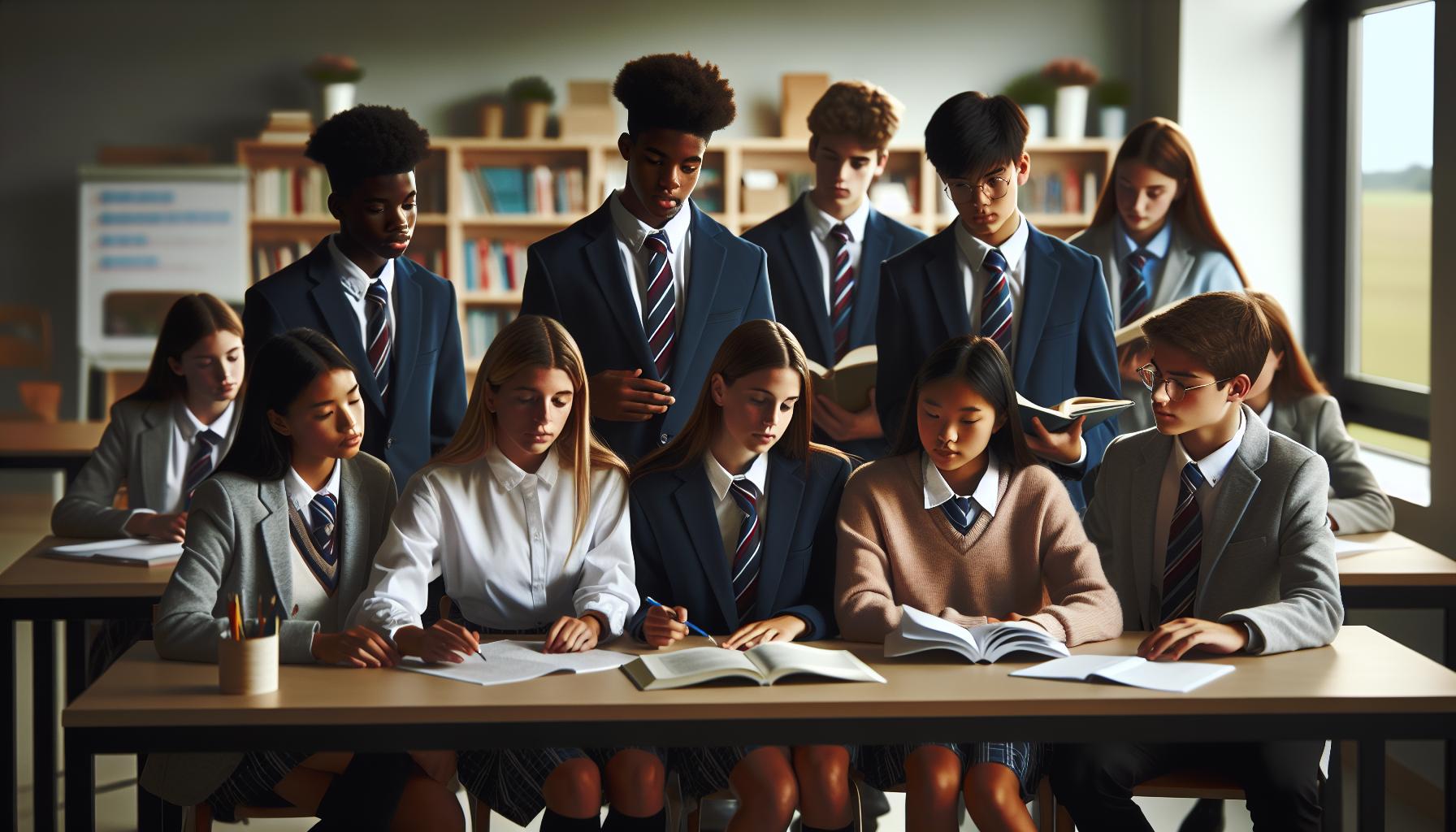
Research has shown that school uniforms can create a more focused and conducive learning environment, which in turn may enhance academic performance. By removing the distractions associated with varied clothing styles, uniforms help students center their attention on education rather than fashion. This is particularly relevant in today’s world, where peer pressure can often overshadow academic priorities.
When students wear uniforms, the playing field is leveled, minimizing competition and social status that may stem from clothing choices. This lack of focus on attire allows students to engage more deeply in their studies. Additionally, uniforms foster a sense of seriousness and professionalism, which can positively influence students’ attitudes toward learning. The consistent appearance associated with uniforms can serve as a powerful reminder that students are there to learn and succeed.
Furthermore, the routine of wearing a uniform can help students establish a sense of discipline. Much like having a study schedule, the act of putting on a uniform can mentally prepare students for a day’s worth of learning, helping them to transition from home life to academic life more seamlessly. It sets a tone of readiness and commitment to their education, which can lead to improved attendance and participation in class.
To maximize the benefits of uniforms, schools might consider incorporating activities that highlight the connection between appearance and performance, such as workshops on study habits or group discussions about the importance of education. When students understand that their attire plays a role in their academic journey, they are more likely to embrace the concept of uniforms wholeheartedly. This collective commitment creates an environment where academic growth isn’t just encouraged; it’s actively achieved.
Encouraging Inclusivity: Uniforms for All Students

School uniforms have the remarkable ability to bridge gaps among students from diverse backgrounds, fostering an environment of inclusivity that benefits everyone. When students wear the same attire, the focus shifts from personal style to collective identity, allowing individuals to feel part of a unified community. This not only enhances students’ sense of belonging but also diminishes the visibility of socio-economic disparities that often surface through wardrobe choices. As a result, uniforms create a level playing field where all students can engage freely without the distractions or anxieties related to fashion.
In practice, this inclusivity can be reinforced through uniform policies that consider the unique needs of all students. Schools can offer various sizes and styles to accommodate different body types, ensuring that each student feels comfortable and confident. Furthermore, by involving students and parents in the uniform selection process, schools can promote a sense of ownership and pride. For example, holding surveys or focus groups to gather opinions can empower community members, fostering a spirit of collaboration and respect for individual preferences within a collective framework.
Moreover, schools can strive for culturally responsive uniform designs that reflect the diversity of the student body. This could include options that recognize and respect cultural or religious attire, allowing students to express their identities while still adhering to a common uniform standard. When students see their backgrounds represented in their school’s uniform policy, it reinforces the values of respect and appreciation for diversity, encouraging them to celebrate their uniqueness while being part of a unified whole.
In conclusion, the encouragement of inclusivity through school uniforms not only helps to reduce bullying and social division but also enhances the overall educational experience. By establishing a sense of community and equity, uniforms empower students to thrive academically and socially, creating a more harmonious school environment where everyone can succeed.
The Financial Benefits of Wearing School Uniforms

Investing in school uniforms often turns out to be a financially savvy choice for families. While the initial purchase may seem like an added expense, the long-term benefits of wearing uniforms can substantially outweigh the upfront costs. Many families observe a decrease in overall clothing expenses because uniforms eliminate the need to buy multiple outfits for school. Instead of spending time and money on trendy or casual wear, families can budget for a few durable and versatile pieces that meet school requirements.
A Cost-Effective Solution
One of the most significant financial advantages of school uniforms is the reduction in wardrobe-related costs. Parents can save money by only needing to purchase a few sets of uniforms that can be rotated throughout the week. This streamlined approach simplifies shopping trips, reduces impulse buys, and helps manage the budget more effectively. When students wear uniforms, they are less likely to seek out expensive brands or styles that can add up quickly over time.
Additionally, uniforms tend to be more durable than regular clothing. They are often made from sturdier materials designed to withstand the wear and tear of daily school life. This resilience means families won’t have to replace uniforms as frequently as they might typical clothing, leading to further savings in the long run.
Reducing Extracurricular Expenses
The financial benefits extend beyond basic clothing expenses. Uniforms can also reduce the pressure on parents to buy new outfits for special occasions or school events, such as sports days, presentations, and performances. With a standardized dress code, concerns about fitting in or looking fashionable are minimized, allowing both students and families to focus their resources on other essential areas-such as extracurricular activities-without the added worry of wardrobe choices.
- Less pressure to keep up with trends: Students can feel less pressure to have the latest fashion items, which can lead to significant financial relief for parents.
- Improved resale options: Many families can sell or pass down used uniforms, as they often remain in good condition. This can recoup some costs, making uniforms even more economical.
- Reduced laundry costs: With fewer clothing items, families may also experience savings on laundry expenses, using less detergent and water.
In summary, while the initial investment in school uniforms might seem daunting, their long-term financial savings combined with the benefits of simplicity and stress reduction create a compelling case for their adoption. By fostering a consistent and cohesive student dress code, families can enjoy both economic benefits and enhanced educational experiences.
Reducing Peer Pressure and Bullying Through Uniforms
When students wear the same uniforms, the landscape of peer pressure and bullying can shift dramatically. By leveling the playing field, uniforms reduce the emphasis on personal fashion choices that often serve as a basis for comparison among peers. This can lead to a more inclusive environment where students focus on their abilities and personalities rather than what they wear, which can be particularly beneficial in diverse school settings.
The relationship between school uniforms and a decrease in bullying is supported by data, showing that many parents and school officials believe that uniforms help curb instances of bullying and peer pressure. Studies have indicated that 72% of parents and 86% of school officials have observed a decrease in peer pressure when uniforms are implemented [[3]]. This shared attire fosters unity and minimizes the social divisions that can arise from wearing extravagant or trendy clothing.
Furthermore, uniforms can instill a sense of belonging and school spirit among students. When everyone is dressed alike, there is a collective identity built around the school rather than individual styles. This shared experience can enhance friendship bonds and reduce feelings of isolation among students. By creating an environment where students are less concerned about their clothing choices, schools can promote a culture that prioritizes respect, collaboration, and mutual support [[2]].
In essence, adopting school uniforms can be a proactive step in tackling peer pressure and bullying, creating a more positive educational atmosphere where students feel empowered to express themselves through their actions and contributions rather than their clothing.
Fostering Personal Identity and Self-Expression in Uniforms
Wearing uniforms often conjures up images of conformity, but they can actually play a significant role in encouraging personal identity and self-expression among students. While uniforms provide a standard look, they also create a platform for individuality, allowing students to express themselves in ways that extend beyond their clothing choices. This unique dynamic fosters an environment where personal values and character can take center stage.
One effective way students can express themselves while in uniforms is through accessories. Items such as pins, jewelry, and shoes can reflect personal tastes or signify affiliations with clubs and sports teams. Additionally, creativity can shine through in the way students style their uniforms-perhaps by rolling up sleeves, tying a sweater around the waist, or layering with outerwear. These small adjustments can enhance self-expression while adhering to school policies, striking a balance between personal style and uniformity.
Moreover, adopting uniforms shifts the focus away from outward appearances and onto students’ capabilities and contributions, encouraging them to forge their identities through achievements and talents rather than clothing choices. This shift can be especially beneficial in a diverse school environment where students come from various backgrounds. When the emphasis on fashion diminishes, it levels the playing field, allowing all students to feel valued for who they are and what they bring to the classroom.
Ultimately, while school uniforms may seem to limit self-expression, they can instead serve as a canvas for students to explore their identities in meaningful and creative ways. By promoting inclusivity and allowing space for personal touches, uniforms can encourage students to develop a strong sense of self that is rooted in community and shared experiences, enhancing their educational journey and interpersonal relationships throughout their school years.
Uniforms and Their Influence on Professionalism
Wearing uniforms in school settings can serve as a powerful stepping stone to developing a sense of professionalism among students. Uniforms establish a standard for appearance that can reflect aspects of professionalism, much like the dress codes found in many workplaces. By adhering to a uniform policy, students learn the importance of presenting themselves appropriately and taking pride in their appearance. This foundational experience can be invaluable as students transition to environments where professional attire is expected.
One of the key influences of uniforms on professionalism lies in the discipline they instill. When students wear a uniform, they often adopt a mindset aligned with a focused learning environment. The visible connection between uniforms and professional attire helps students associate their appearance with their responsibilities as learners. Schools that prioritize uniforms can cultivate an atmosphere that mirrors workplace expectations, where proper dress contributes to a serious approach to tasks. This not only boosts students’ self-confidence but also prepares them for future professional interactions where appearance can influence perceptions.
In addition to fostering discipline, uniforms promote equality, which is a cornerstone of professionalism. When students are dressed alike, social divisions based on clothing choices are minimized. This sense of equality helps to create a more inclusive environment where students feel united and focused on their educational goals rather than on individual aesthetics. Such a framework allows students to engage with one another based on their skills and ideas, rather than their fashion sense, laying the groundwork for future teamwork and collaboration in the professional world.
Moreover, as students advance in their education, the experience of wearing uniforms can ease the transition into more formal settings. The familiarity with a standard professional appearance can make students more comfortable when entering higher education or job placements that require specific dress codes. Understanding how to navigate expectations around attire and presentation is vital for their success in interviews and professional settings. By learning the importance of professional dress early on, students can confidently show up prepared for their future career paths.
Ultimately, integrating uniform policies in schools not only enhances the students’ sense of professionalism but also equips them with essential life skills. From building discipline to fostering equality and preparing for future environments, uniforms serve as an effective tool to prepare students for the demands of the real world.
Environmental Impact: Sustainable Uniform Choices
Uniforms can profoundly affect not only school culture but the environment as well. By adopting sustainable uniform choices, schools and students can contribute to a more eco-friendly future while reaping the benefits of unity and professionalism. One significant aspect of this shift involves selecting materials that are both durable and environmentally friendly. Opting for uniforms made from organic cotton, recycled fabrics, or sustainable synthetic materials reduces waste and the use of harmful chemicals often found in traditional fabric treatments.
Moreover, the longevity of uniforms is crucial in minimizing environmental impact. High-quality materials designed for durability ensure that uniforms last through multiple school years, reducing the frequency of replacements. Schools can implement a uniform recycling program that allows families to donate gently used uniforms, which can be reused or passed down to younger students. This approach not only promotes a sense of community but also encourages sustainable practices and reduces landfill waste.
### Practical Steps for Sustainable Uniform Choices
- Choose Eco-Friendly Fabrics: Look for brands that prioritize sustainable materials such as organic cotton, hemp, or recycled fibers.
- Promote Quality Over Quantity: Invest in well-made uniforms that withstand wear and tear, thus minimizing the need for frequent replacements.
- Engage in Uniform Swaps: Organize events where families can exchange uniforms, fostering a sense of community while reducing waste.
- Support Local Manufacturers: When possible, opt for locally sourced uniforms to reduce transportation emissions and support the local economy.
By focusing on these sustainable practices, schools can lead by example, showcasing how collective efforts can make a significant impact on the environment. Educating students about the importance of sustainability in their wardrobe choices not only equips them with knowledge for their future but also empowers them to participate in broader environmental initiatives. Through uniform policies that prioritize sustainability, students learn valuable lessons about responsibility, community, and environmental stewardship, shaping them into conscientious individuals ready to make a positive impact in the world.
The Role of Uniforms in Transitioning to Higher Education
Transitioning from high school to higher education can be a significant step in a student’s academic journey, filled with excitement and challenges. One aspect that can ease this transition is the experience of wearing school uniforms. Uniforms create a structured environment that promotes discipline, which is essential in adjusting to the rigorous academic demands of college or university life.
In high school, uniforms often help establish a culture of respect and responsibility. Students are accustomed to a dress code that fosters focus on learning and minimizes distractions that can arise from fashion competition. This preparedness translates well into higher education, where a similar culture is crucial for success. By having worn uniforms, students may find themselves more adaptable to the varying social climates of college-where professionalism and appropriate attire play a key role in creating positive impressions during class, presentations, and networking events.
Moreover, wearing uniforms might enhance students’ sense of belonging and inclusivity within their high school, which can be a vital asset when entering a diverse college environment. The community spirit fostered by uniforms helps students feel connected to their peers. This sense of unity acts as a strong foundation for building new relationships in college, ultimately aiding in social integration and emotional wellbeing.
As students prepare for higher education, they should also consider how their presentation can affect their academic and professional opportunities. Uniforms often instill a sense of professionalism, which can prove advantageous when transitioning to college life. Learning how to present oneself appropriately not only helps during classroom interactions but also during internships and job interviews-key stepping stones in a student’s career path.
In summary, the role of uniforms extends beyond aesthetics; they serve as a stepping stone into higher education, equipping students with essential life skills such as discipline, adaptability, and professionalism. Embracing these attributes lays a solid groundwork for navigating the complexities of college life and ultimately succeeding in their chosen fields.
Parental Perspectives: Benefits of School Uniforms
Statistics show that schools with uniform policies can reduce disciplinary issues by as much as 40%. This is just one of the many reasons parents are increasingly supportive of school uniform initiatives. When children wear uniforms, parents often note a decrease in morning stress over outfit choices and fashion disputes. Uniforms simplify the daily routine, allowing families to focus on more important matters, such as homework and extracurricular activities, rather than on what to wear each day.
Furthermore, school uniforms can play a critical role in fostering equality among students. Parents understand that uniforms can level the playing field by reducing socioeconomic disparities that often manifest through clothing choices. When all students wear similar attire, there is less chance for judgment based on fashion trends or financial standing, thereby minimizing opportunities for bullying and social exclusion. This environment promotes inclusivity, ensuring that children from diverse backgrounds can engage more freely with one another.
In addition, many parents appreciate the boost in school spirit and community that uniforms can provide. When students don their school colors and emblems, they often feel a stronger connection to their peers and institution. This camaraderie can lead to increased participation in school activities, from sports to clubs, ultimately enhancing their educational experience. A unified appearance can also promote pride in the school, encouraging students to represent it positively both inside and outside the classroom.
Finally, the financial implications of school uniforms can be an attractive feature for many families. While there’s an initial investment in uniform attire, it often leads to long-term savings. Parents can avoid the costs associated with constant purchases of trendy clothing, which can quickly add up. Moreover, uniforms tend to be designed for durability and can often withstand the rigors of daily school life, offering a more practical financial option in the long run.
In summary, parents recognize that school uniforms contribute to a more organized, respectful, and equitable educational setting, addressing their greatest concerns about safety, discipline, and financial wellbeing while also enhancing community spirit and connections among students.
Global Perspectives: How Uniform Policies Vary Worldwide
Across the globe, the implementation of school uniform policies showcases a fascinating diversity reflective of cultural values, educational philosophies, and socioeconomic considerations. In many countries, wearing uniforms is perceived not just as a way to promote discipline but also as a means to enhance the social fabric of schools, foster a sense of belonging, and diminish distinctions based on economic status. For instance, in the United Kingdom, uniforms are a longstanding tradition, seen as critical in preparing students for a professional environment, instilling values of respect and responsibility. Schools often emphasize adherence to uniform guidelines as a way of unifying students, creating an environment free from the pressures of fashion competition.
In contrast, countries like Finland prioritize individuality in education, with only a sparse number of schools enforcing strict uniform policies. This approach allows students to express themselves through their clothing, reflecting a cultural belief in nurturing personal identity alongside academic achievement. Finnish education systems encourage creative expression, and the absence of uniforms is often linked to the larger ethos of promoting student autonomy and engagement.
Meanwhile, in countries like Japan, school uniforms are a point of pride and identity. Students wear distinct designs representing their schools, and these uniforms are often seen in popular culture, symbolizing both tradition and modernity. This not only fosters a sense of unity but also encourages discipline, as students are expected to maintain their uniforms in immaculate condition. The uniforms frequently become a source of school loyalty among students, reinforcing the communal ties that bind them to their educational institution.
As the debate over school uniforms continues, understanding the varying perspectives worldwide helps illuminate their multifaceted roles. Whether fostering inclusivity, promoting school spirit, or encouraging discipline, uniform policies are adapted to meet the specific needs of diverse educational landscapes. This global perspective offers valuable insights into how different cultures navigate the challenges of education while striving to create environments that support every student’s success, both academically and personally.
Frequently Asked Questions
Q: What are the social benefits of wearing school uniforms for students?
A: Wearing school uniforms promotes a sense of belonging among students, fostering relationships and reducing social barriers. This sense of community enhances communication and collaboration, encouraging a more inclusive environment where all students feel valued and connected.
Q: How can school uniforms help in time management for students?
A: School uniforms streamline the morning routine, saving time on outfit selection. This efficiency can lead to better time management, allowing students to focus on preparation for the day ahead, thus enhancing their overall organization and punctuality.
Q: What impact do uniforms have on student focus and engagement in class?
A: Uniforms help minimize distractions related to clothing, allowing students to concentrate better on academics. By creating a standardized appearance, students can engage more fully in their studies without the pressure of fashion competition.
Q: How do school uniforms contribute to lifelong professional habits?
A: Wearing uniforms instills a sense of professionalism and discipline in students, mirroring workplace attire. This practice can help prepare them for future career environments where appropriate dress is important, fostering habits that contribute to workplace readiness.
Q: Can school uniforms affect a student’s mental health?
A: Yes, school uniforms can reduce anxiety related to peer judgment over clothing choices. By creating a level playing field, uniforms can enhance self-esteem and lead to improved mental well-being among students, allowing them to focus on their education.
Q: How do uniforms promote equality among students?
A: Uniforms promote equality by diminishing visible economic disparities between students. When everyone wears the same attire, it reduces peer pressure and teasing based on clothing differences, fostering a more equitable school environment.
Q: What are the transitional benefits of wearing uniforms for students moving to higher education?
A: Wearing uniforms can ease the transition to higher education by teaching students the importance of dressing appropriately for various settings. This understanding prepares them for more formal academic environments and professional scenarios in the future.
Q: How do parents view the benefits of school uniforms?
A: Many parents appreciate school uniforms for their cost-effectiveness, ease of shopping, and reduced morning chaos. The uniformity also alleviates concerns about fashion trends, allowing families to focus more on academics rather than clothing choices.
Key Takeaways
As you can see, the benefits of school uniforms extend far beyond merely aesthetics. They foster an environment of respect, reduce bullying, and build a sense of unity, making schools better equipped to support both academic and personal growth. If you’re curious about how these concepts apply to your own educational journey, explore more on the effects of uniforms in our related article, “The Pros and Cons of School Uniforms,” or delve deeper into how uniforms can improve student focus in “Creating a Safe Learning Environment.”
Don’t miss out on maximizing the potential of your educational experience. Join our newsletter for the latest insights and resources tailored to empower students like you in navigating academic challenges effectively. Remember, a well-informed choice today can set the foundation for your success tomorrow. What are your thoughts on school uniforms? We invite you to share your experiences or insights in the comments below!