Nestled in the heart of Alabama, Auburn University offers a vibrant academic experience that draws students from all over the globe. Understanding where this prestigious institution is located is not just about geography; it’s about discovering a community that fosters growth, ambition, and lifelong connections. Whether you’re considering Auburn for its diverse programs, the picturesque campus, or the opportunity to engage in various extracurricular activities, knowing its location and surroundings can enhance your educational journey. As you explore this comprehensive guide, uncover the essential details and insights that will help you navigate both the campus and the city, ensuring you make the most of your time at Auburn. Dive in and discover what makes Auburn University a remarkable place for personal and academic success!
Where is the University of Auburn Located?
Auburn University is located in Auburn, Alabama, a vibrant college town characterized by its welcoming atmosphere and rich traditions. Nestled in the rolling hills of east-central Alabama, Auburn’s campus spans over 1,800 acres, offering a blend of historic architecture and modern facilities. The university’s location is not only picturesque but also conveniently close to various amenities, outdoor activities, and cultural spots, making it an ideal place for students to live and learn.
With a population of approximately 66,000, Auburn provides a small-town feel with a range of conveniences. It is accessible via U.S. Highways 29 and 280, making road travel easy for both local and visiting students. The campus is adjacent to the city of Opelika and roughly 50 miles from Montgomery, Alabama’s state capital, enhancing its connectivity. This positioning allows students to enjoy both the tranquility of campus life and the benefits of city amenities, such as shopping, dining, and entertainment.
The welcoming community and the vibrant student body contribute to an engaging social atmosphere. Within a short distance, you can find parks, restaurants, and local attractions, ensuring that students can easily balance academic life with leisure and recreation. This unique combination of natural beauty and accessibility makes Auburn University a standout choice for students seeking a comprehensive educational experience in a friendly and invigorating environment.
Understanding Auburn University’s Alabama Campus Layout
Auburn University’s campus layout is designed to create a harmonious blend of academic, residential, and recreational spaces, making it not only functional but also an inviting place for students to thrive. Spanning over 1,800 acres, the campus features a mix of historic buildings, state-of-the-art facilities, and beautiful green spaces. This layout encourages exploration and community engagement, allowing students to mingle, study, and relax amidst picturesque surroundings.
Key Areas of the Campus
The campus is divided into several key areas, each serving distinct purposes:
- Academic Buildings: Home to diverse colleges such as Engineering, Business, and Agriculture, these facilities are equipped with modern classrooms, labs, and libraries to support a variety of learning styles.
- Student Housing: A range of on-campus housing options is available, catering to different preferences from traditional dormitories to apartment-style living, fostering community while providing comfort and convenience.
- Recreational Spaces: The campus boasts various parks, sports facilities, and walking trails, encouraging students to stay active and engage in leisure activities.
- Dining Options: Numerous dining halls and cafes are scattered across the campus, offering a variety of meal plans and dining choices to suit every palate.
Campus Navigation Tips
To navigate Auburn’s expansive layout effectively, consider the following tips:
- Use Campus Maps: Whether digital or printed, handy maps help in identifying building locations and planning routes between classes.
- Join Campus Tours: Attending orientation tours can provide valuable insights into shortcuts and less-known facilities, helping first-time visitors become familiar with the campus.
- Engage with Campus Apps: Many universities offer mobile applications designed to help students track events, academic schedules, and even campus dining options, streamlining their daily routines.
With the right understanding of its layout and resources, students can maximize their Auburn experience. Embracing the diverse offerings across the campus will not only support academic success but also foster personal growth and community involvement.
Navigating the Campus: Key Landmarks and Facilities

Auburn University’s campus stands as a vibrant hub of learning and interaction, inviting students to explore its many notable landmarks and facilities. Each structure and area are designed to enhance the educational experience, making it crucial for students to familiarize themselves with their surroundings to maximize their time here. Among the standout features is the iconic Samford Hall, a central point of the campus, characterized by its red façade and tall clock tower. This building not only houses the university’s administration but also represents the spirit and history of Auburn.
Another critical landmark is the Ralph Brown Draughon Library, which is an academic haven filled with extensive resources, study spaces, and tech support services. Students will often find themselves spending long hours here, whether they are seeking information for research projects or enjoying quiet study time. The library is complemented by the nearby campus quad, a communal space perfect for socializing, hosting events, and soaking up the sun between classes.
Academic Buildings and Facilities
Auburn’s academic buildings are strategically located across the campus, each catering to various fields of study. The College of Engineering is housed in the Brown-Kopel Engineering Student Achievement Center, where students can access cutting-edge labs and workspaces. The College of Business is centered around Lowder Hall, equipped with collaborative spaces and technology that foster interactive learning.
Additionally, the campus offers specialized facilities such as the School of Nursing and the College of Agriculture, where students benefit from both hands-on and in-the-field experience. These facilities not only provide essential academic resources but also encourage student collaboration and innovation.
Recreational Areas
To balance academics with leisure, Auburn University features several recreational areas including the Campus Recreation and Wellness Center. This facility offers fitness classes, gym equipment, and intramural sports, promoting a healthy lifestyle among students. The nearby Mass Communication Building provides students with access to media labs and studios, crucial for those studying journalism or broadcasting.
A variety of dining options can also be found around campus, from casual coffee shops to comprehensive meal halls, ensuring that students have plenty of choices for fuel during their busy days.
In summary, navigating Auburn University effectively means getting acquainted with its key landmarks and facilities, which are instrumental in shaping a well-rounded college experience. By exploring these spaces, students will not only feel more connected to their campus community but also enhance their academic journey with readily available resources and opportunities for personal growth.
Campus Map: Your Guide to Auburn University
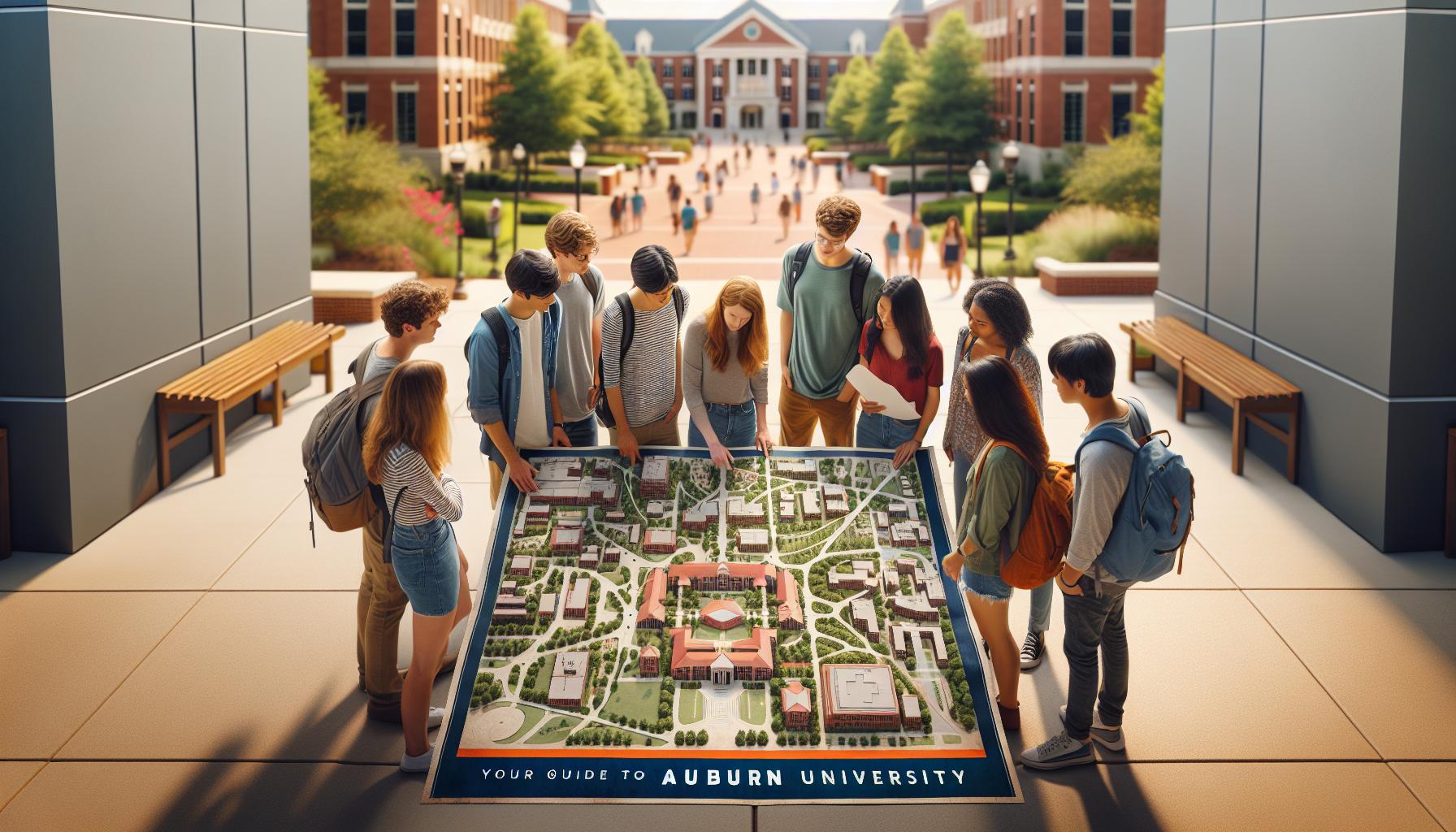
Exploring the extensive campus of Auburn University can feel like wandering through a small town filled with academic and social opportunities. With its well-planned layout and strategic placement of facilities, a campus map becomes an invaluable tool for students navigating this vibrant environment. Whether you’re a new student, a visitor, or simply looking to enhance your daily routine, understanding the layout can make all the difference in maximizing your campus experience.
To effectively use the campus map, start by identifying the major landmarks such as Samford Hall, the Ralph Brown Draughon Library, and the Student Center. These locations serve as reference points that can guide you to other facilities and departments. Each building is clearly marked, and many maps will indicate the various departments and their corresponding buildings, helping you locate academic resources quickly. Additionally, familiarize yourself with the bus routes outlined on the map, as they connect various parts of the campus, making commuting much easier.
Auburn’s campus map also highlights recreational areas like the Campus Recreation and Wellness Center, where you can unwind after a long day of classes. Knowing where to find fitness facilities, dining options, and study spaces on the map allows you to balance your academic workload with personal well-being. Don’t forget to note the art installations and green spaces marked on the map; these areas provide perfect spots for relaxation or group study.
Finally, take advantage of the mobile apps and online resources available that complement the physical campus map. Many of these tools offer interactive features, including GPS navigation, event listings, and updates on campus happenings. Leveraging these digital resources not only enhances your navigation but also connects you to the vibrant life at Auburn University, turning your campus experience into a well-rounded adventure.
Academic Departments and Program Locations at Auburn
Auburn University’s extensive academic structure is designed to cater to a wide range of interests and professions, fostering an environment where students can thrive across various disciplines. With over a dozen colleges and schools, each housing specialized departments, students have the opportunity to explore their passions deeply while receiving support and guidance throughout their educational journey.
Key Academic Colleges
The university is organized into the following primary colleges and schools:
- College of Agriculture: Focuses on all aspects of agriculture and forestry, providing hands-on experience and research opportunities.
- Harrison School of Pharmacy: Offers a robust curriculum for those looking to enter the pharmacy profession, combining classroom learning with practical experience.
- College of Engineering: Known for its rigorous programs and excellent faculty, this college prepares students for high-demand engineering careers.
- College of Business: Provides a solid foundation in business principles, with programs tailored toward entrepreneurship, finance, and management.
- College of Education: Prepares future educators through a variety of teacher certification programs and educational leadership opportunities.
- College of Liberal Arts: Emphasizes critical thinking and communication skills, offering a diverse range of majors and minors.
- College of Science and Mathematics: Engages students in rigorous scientific study, fostering innovation and research in the STEM fields.
- School of architecture, planning and landscape architecture: Merges creative design with functional planning, preparing students for careers in architecture and urban design.
Navigating Program Locations
Each academic department is strategically located within buildings that are often designed to facilitate collaboration and interaction among students and faculty. For instance, the College of Engineering is primarily housed in the Harper hall, which includes state-of-the-art laboratories and equipment. The College of Education has its home in the Rosenau Hall, which features classrooms that simulate real teaching environments.
Many of these departments also provide open labs and study spaces where students can collaborate on projects or seek help from peers and faculty members. It’s beneficial to familiarize yourself with the specific locations of your major’s administrative offices and resource centers, as they can provide valuable assistance regarding academic advising and career opportunities.
Getting Involved in Research and Internships
Auburn’s faculty are committed to mentorship and student development, often involving undergraduates in research projects or internships that align with their academic goals. Engaging with faculty can open doors to new opportunities and practical experiences that enhance learning. For instance, the College of Agriculture regularly connects students with local farms and agricultural businesses for internships, providing real-world experience that complements their studies.
Utilizing campus resources to identify research opportunities, joining academic clubs related to your major, or seeking internships are all ways to enhance your education and make the most of your time at Auburn.
By understanding the structure and resources available within your chosen academic path, you can better navigate your university experience and take full advantage of the academic opportunities at Auburn University. Embrace your journey of discovery and growth as you engage with the diverse programs that the university offers.
Housing Options: Where to Live Near Campus
Finding the right place to live while attending Auburn University can significantly enhance your student experience. With a range of housing options, from on-campus residence halls to off-campus apartments, there’s something to suit every preference and budget. Living close to campus not only makes commuting easier but also fosters a sense of community as you engage with fellow students.
On-campus living offers several residence halls spread across different communities, each with unique amenities and features. For students who prefer a more independent lifestyle, the Village offers one, two, and three-bedroom suites, while South Donahue provides four-bedroom suites perfect for group living. These housing options include essential utilities such as wireless internet and laundry, reducing the hassle of managing separate bills, which can be a considerable advantage for students focused on their studies.
Benefits of On-Campus Living
Choosing to live on campus has numerous benefits, including proximity to academic buildings, libraries, and recreational facilities. This convenience allows you to attend classes, meet for study groups, or access campus resources with ease. Additionally, on-campus housing often organizes events and activities, providing a great opportunity to meet new friends and immerse yourself in the campus culture.
For those considering off-campus options, Auburn also has various rental properties nearby. Many apartments are available within a short walking distance or a quick bike ride to the university, allowing flexibility for students who wish to explore living independently. Before signing a lease, be sure to thoroughly research different neighborhoods to find a community that fits your lifestyle and needs.
Ultimately, whether you opt for on-campus housing or a nearby apartment, Auburn University provides diverse living arrangements that can support your academic journey while encouraging personal growth and community engagement. Embrace this exciting chapter of your life as you settle into your new home away from home!
Transportation Tips for Getting Around Auburn
Getting around Auburn University and the surrounding town can be a smooth experience, especially with the variety of transportation options available for students. Whether you prefer to walk, bike, or use public transport, understanding the best ways to navigate can greatly enhance your time here.
One of the most convenient ways to explore the campus is on foot. With its compact layout, campus facilities are easily accessible on foot, allowing you to enjoy the beautiful scenery and landscapes while getting to class or meetings. The university promotes walking as a healthy and practical means of transportation, which is perfect for busy students juggling classes, libraries, and dining options.
For those who prefer a quicker pace, biking is a popular choice among students. Auburn has numerous bike lanes and racks throughout the campus, making it easy to hop on a bike and get to your destination swiftly. If you don’t own a bike, consider renting one from local shops or joining programs that offer bike rentals to students. This not only saves time but also keeps you active and engaged with the community.
Public transportation is another viable option, with the Auburn University Transit System (AUTS) providing free shuttle services throughout the campus and into neighboring areas. These shuttles run on a regular schedule, making it easy to travel to off-campus housing, shopping centers, or local attractions without the need for a car. Downloading the AU Transit app can also help you track shuttle locations in real-time, ensuring you never have to wait long.
Lastly, if you’d like to venture farther, services like Uber and Lyft operate in Auburn, offering a quick and convenient way to reach your destination. For those times when you need to transport larger items or want the comfort of your own vehicle, consider carpooling with friends. This not only saves money on gas and parking but also helps build friendships that enhance your college experience.
In summary, finding your way around Auburn is straightforward, with options that cater to every preference. Embrace these methods to not only make your daily commute easier but also to fully engage with the vibrant community that Auburn University has to offer.
Campus Resources for Student Support and Success
Auburn University offers an array of comprehensive resources designed to support students in achieving personal, academic, and professional success. Whether you are a first-year student or at the cusp of graduation, knowing where to find help can be pivotal in navigating the challenges of university life. From academic advising to mental health resources, Auburn is committed to fostering a supportive environment where every student can thrive.
One of the standout resources is the Academic Support Center, which provides tutoring in various subjects, study skills workshops, and access to academic coaches. Engaging with these services early can help bolster your understanding of course material and improve your grades. The center also offers tailored support for students with disabilities, ensuring that every student has the tools needed to succeed academically.
Moreover, mental health and well-being are prioritized at Auburn through the Counseling and Psychological Services (CAPS). Students can access individual counseling, group therapy, and workshops focusing on stress management and coping strategies. This initiative is crucial during stressful times like exams or major projects, as maintaining mental wellness directly impacts academic performance.
To connect with peers and build a network of support, consider participating in student organizations and clubs that align with your interests. Auburn boasts over 600 registered student organizations, ranging from cultural and academic groups to those focused on service or recreation. Getting involved can enhance your college experience, allowing you to form valuable friendships while developing leadership skills.
Lastly, the Career Center is an invaluable asset for planning your future after graduation. From resume reviews and interview preparation to networking events and job fairs, this resource prepares students for the job market. By taking advantage of these tools early in your college career, you can position yourself advantageously for internships and job opportunities post-graduation.
With these extensive resources at hand, Auburn University stands ready to support you on your educational journey, ensuring your success both inside and outside the classroom.
Exploring Local Attractions Near Auburn University
Auburn, Alabama, is home to a vibrant atmosphere steeped in rich history and southern charm, making it a fantastic location for both study and leisure. Just a short distance from Auburn University, you’ll find a variety of local attractions that cater to diverse interests, perfect for exploring during your downtime from classes.
Start off at the Auburn Botanical Gardens, a serene 12-acre oasis offering beautifully curated gardens and walking paths that inspire relaxation and creativity. This is a great spot for a leisurely stroll or to study amidst nature’s bounty. For those interested in history, don’t miss the Jule Collins Smith Museum of Fine Art, which features an impressive array of art exhibitions and collections, including work from renowned artists and regional pieces. The museum regularly hosts events and lectures, providing students a chance to engage with art and culture while enhancing their educational experience.
Outdoor enthusiasts will enjoy the extensive green spaces at Chewacla State Park, only a short drive from campus. This natural setting offers hiking trails, fishing spots, and picnic areas, making it an ideal getaway for a weekend of adventure or relaxation. Furthermore, the park’s beautiful lake is perfect for kayaking or simply unwinding by the water.
Don’t forget to explore the local dining scene! The downtown area is vibrant with restaurants offering everything from classic southern dishes to international cuisine. Places like Toomer’s Drugs not only serve delicious food but are also famous for their lemonade and serve as a beloved hangout spot for students and locals alike.
With these attractions just a stone’s throw away, students can easily balance the rigors of academic life with the enjoyment of unique local experiences, enriching their time at Auburn University both socially and culturally.
Tips for Future Students: Making the Most of Your Experience
Auburn University offers a wealth of opportunities for students to enrich their academic and social experiences. To truly make the most out of your time at Auburn, it’s essential to engage with both the campus community and the surrounding area. Taking the initiative to explore diverse extracurricular activities, networking opportunities, and available resources can significantly enhance your collegiate journey.
Start by getting involved in campus organizations and clubs that align with your interests or career aspirations. Whether you are inclined towards academic pursuits, hobbies, or volunteer work, becoming an active member of these groups not only helps build your resume but also fosters connections. Don’t hesitate to attend events, workshops, and social gatherings advertised around campus; they are excellent venues for meeting new friends and learning about different cultures, especially in an inclusive environment like Auburn.
Take advantage of academic resources offered by the university. Utilize the libraries, tutoring centers, and research opportunities that can provide an academic edge. Many departments offer mentorship programs where upperclassmen can guide you, helping reduce the feeling of being overwhelmed during your freshman or sophomore years. Dive into your classes by establishing relationships with professors; their guidance can be invaluable.
Remember to balance your academic demands with self-care and leisure activities. Auburn is known for its vibrant campus life and beautiful surroundings. Explore outdoor spaces for studying or relaxation, engage in sports, or join campus fitness programs to maintain a healthy lifestyle. Moreover, experiencing local attractions such as the Auburn Botanical Gardens or events in the downtown area can provide a refreshing break from your studies.
Lastly, don’t underestimate the importance of financial literacy. Familiarize yourself with budgeting and available financial aid resources like scholarships and part-time job opportunities. Many students find success using budgeting apps or joining financial management workshops provided by the university to gain better control of their finances.
By immersing yourself actively in the Auburn community, seeking out academic support, prioritizing well-being, and managing finances wisely, you set the foundation for a fulfilling and successful university experience. Embrace the journey-every challenge is an opportunity for growth!
Frequently Asked Questions About Auburn University
Auburn University is a vibrant hub of academic and social life nestled in the charming town of Auburn, Alabama. This historic institution has been a cornerstone of education since its founding, and now boasts a wide array of programs and resources that cater to diverse student needs. Prospective and current students often have questions about everything from academic programs to campus life. Here’s a look at some common inquiries.
What are the main features of Auburn University’s campus?
Auburn University’s campus is well-known for its beautiful architecture and vibrant student life. The main features include:
- Central Campus: Home to academic buildings, libraries, and student services.
- The Student Center: A place for dining, events, and student organizations.
- Auburn Gardens: A peaceful area for study or relaxation amidst nature.
Navigating around is made easy with clear signage, and most destinations are within walking distance, fostering a close-knit community feel.
How do I find specific academic departments?
To locate specific academic departments, you can utilize the university website or campus map available at the main administration building. Each department has designated buildings; for instance, the College of Engineering is primarily located in Samford Hall. Additionally, academic advisors are always available to assist students in finding their way around or to answer any questions regarding academic resources.
What housing options are available near the campus?
There are several housing options available for students, ranging from traditional dorms to off-campus apartments. Here’s a brief overview:
- On-Campus Housing: Freshmen are typically required to live in dormitories which promote community integration.
- Off-Campus Apartments: Numerous apartment complexes are available within walking distance, offering different styles and price points.
- Greek Life Housing: Students who participate in Greek organizations can choose to live in fraternity or sorority houses.
It is advisable to explore these options early, as they can fill up quickly, especially for the upcoming academic year.
By addressing these FAQs, prospective and current students can better navigate their academic journey and enhance their experience at Auburn University. From understanding campus layout to exploring housing options, being informed leads to a smoother transition into university life.
Connect with the Auburn Community: Clubs and Activities
Auburn University is not just a place for academic growth; it’s also a vibrant community filled with opportunities for personal development and connection. Engaging with clubs and activities is one of the best ways to immerse yourself in this welcoming environment. With over 600 student organizations, ranging from academic and professional societies to cultural and recreational groups, there’s something for everyone, making it easy to find your niche among peers who share your passions.
Joining a club or organization can significantly enhance your university experience. Not only do these groups provide a chance to meet new friends, but they also offer unique opportunities to develop leadership skills and engage in service projects. For example, the Student Government Association (SGA) represents the student body and advocates for various initiatives that improve campus life. Meanwhile, academic clubs allow you to network within your field and gain insights from upperclassmen and faculty.
Another way to connect is through the various cultural organizations that celebrate diversity on campus. These groups host events, workshops, and cultural festivals, helping to foster an inclusive atmosphere that respects and learns from different backgrounds. Participating in these activities can deepen your understanding of global cultures and enrich your educational experience.
For those who prefer outdoor and social activities, many recreational organizations offer opportunities to enjoy sports, hiking, or volunteering within the local community. Activities like intramural sports leagues or community service days not only promote physical well-being but also solidify friendships and community ties.
Ultimately, getting involved in clubs and activities at Auburn University is an accessible pathway to build meaningful relationships, develop life skills, and enhance your overall college experience. Make sure to explore the organization’s fairs at the beginning of each semester, where you can meet representatives, ask questions, and find the perfect group that aligns with your interests and goals.
FAQ
Q: Where is Auburn University located in Alabama?
A: Auburn University is located in Auburn, Alabama, in the eastern part of the state. The campus is situated approximately 120 miles east of Birmingham and 45 miles from Montgomery, making it accessible to students and visitors traveling from various locations.
Q: How do I navigate Auburn University’s campus?
A: Navigating Auburn University’s campus is easy due to the well-marked pathways and a comprehensive campus map. Key landmarks, such as the Student Center and Library, are prominently featured, making it simpler to find academic buildings and resources. You can find detailed navigation tips in the “Navigating the Campus” section.
Q: What are some key landmarks at Auburn University?
A: Key landmarks at Auburn University include Samford Hall, the historic Quad, and the Auburn University Library. These locations serve as central points for students and visitors, as well as cultural icons representing the university’s rich history. Check the “Key Landmarks and Facilities” section for more details.
Q: What transportation options are available around Auburn University?
A: Auburn University offers various transportation options, including a campus shuttle service, walking paths, and bike rentals to help students and visitors navigate the area. For further details, refer to the “Transportation Tips for Getting Around Auburn” section.
Q: What housing options are available near Auburn University?
A: Auburn University has numerous housing options, ranging from on-campus residence halls to off-campus apartments and houses. Students can explore these choices in the “Housing Options: Where to Live Near Campus” section for guidance on finding suitable accommodations.
Q: What resources does Auburn University offer for student support?
A: Auburn University provides various student support resources, including academic advising, counseling services, and personal development workshops. These resources are designed to foster student success and well-being. More information can be found in the “Campus Resources for Student Support and Success” section.
Q: Are there local attractions near Auburn University worth visiting?
A: Yes, there are several local attractions near Auburn University, including Toomer’s Corner, Chewacla State Park, and the Jule Collins Smith Museum of Fine Art. Visiting these attractions can enhance your campus experience, as detailed in the “Exploring Local Attractions Near Auburn University” section.
Q: How can I connect with the Auburn community?
A: Connecting with the Auburn community can be achieved through participation in clubs, organizations, and campus events. Engaging in extracurricular activities is encouraged and can be explored further in the “Connect with the Auburn Community: Clubs and Activities” section.
Insights and Conclusions
As you explore the vibrant campus of Auburn University in Alabama, remember that your journey to academic and personal success starts here. With a wealth of resources at your fingertips, from student housing to academic advising, you can navigate your path effectively. If you’re eager to dive deeper, check out our guide on the Best Study Techniques to maximize your learning experience or explore the Latest Scholarship Opportunities available to new students.
Don’t hesitate-take the next step in your educational journey. Subscribe to our newsletter for insights on campus life, financial management, and career preparation that will empower you to thrive. Share your thoughts or questions in the comments below; we love hearing from our community! Discover more, stay informed, and take control of your future at Auburn University. Your adventure awaits!