Nestled in the heart of Washington, D.C., Georgetown University is not just a prestigious institution; it’s a vibrant community where history and modernity converge. Whether you’re a prospective student, a current learner, or a curious visitor, understanding the university’s location and layout is essential for navigating its unique campus. Relocating, settling in, and exploring your surroundings can be challenging, but knowing where to find key buildings, study spots, and social hangouts can significantly enhance your experience. As you journey through this guide, you’ll uncover practical tips for finding your way around, along with insights to help you connect with your new environment and make the most of your time at Georgetown. Dive in and discover what makes this campus truly special!
Where is Georgetown University Located?
Georgetown University finds itself nestled in the historic Georgetown neighborhood of Washington, D.C., an area renowned for its charm, architectural beauty, and vibrant culture. The university’s main campus, often recognized by the iconic Healy Hall, sits atop a hill overlooking the Potomac River, giving students a picturesque view of one of the nation’s most significant waterways and the city skyline beyond. This prime location provides not only a nurturing academic environment but also a unique backdrop that seamlessly blends education with history.
The campus is well-integrated within the Georgetown community, making it a hub of activity that attracts both locals and visitors. This proximity fosters a lively interplay between students and the neighborhood, allowing for easy access to an array of amenities. The surrounding streets are lined with boutique shops, cafes, and historic landmarks, creating a dynamic atmosphere that is both stimulating and conducive to academic life. As you navigate this vibrant community, you’ll find that its cobblestone streets and waterfront parks offer ample opportunities for relaxation and recreation, enhancing the student experience.
Nestled within the capital, Georgetown University is ideally positioned for students looking to engage with both local and national events. The university’s location allows easy access to various governmental and international institutions, bolstering academic and career opportunities for its diverse student body. Whether you’re interested in internships, cultural experiences, or community events, the campus serves as a launching pad for exploring the broader context of academia and professional life in Washington, D.C. In addition, the neighborhood’s rich history and vibrant arts scene provide a continuous source of inspiration and engagement for students both in and out of the classroom.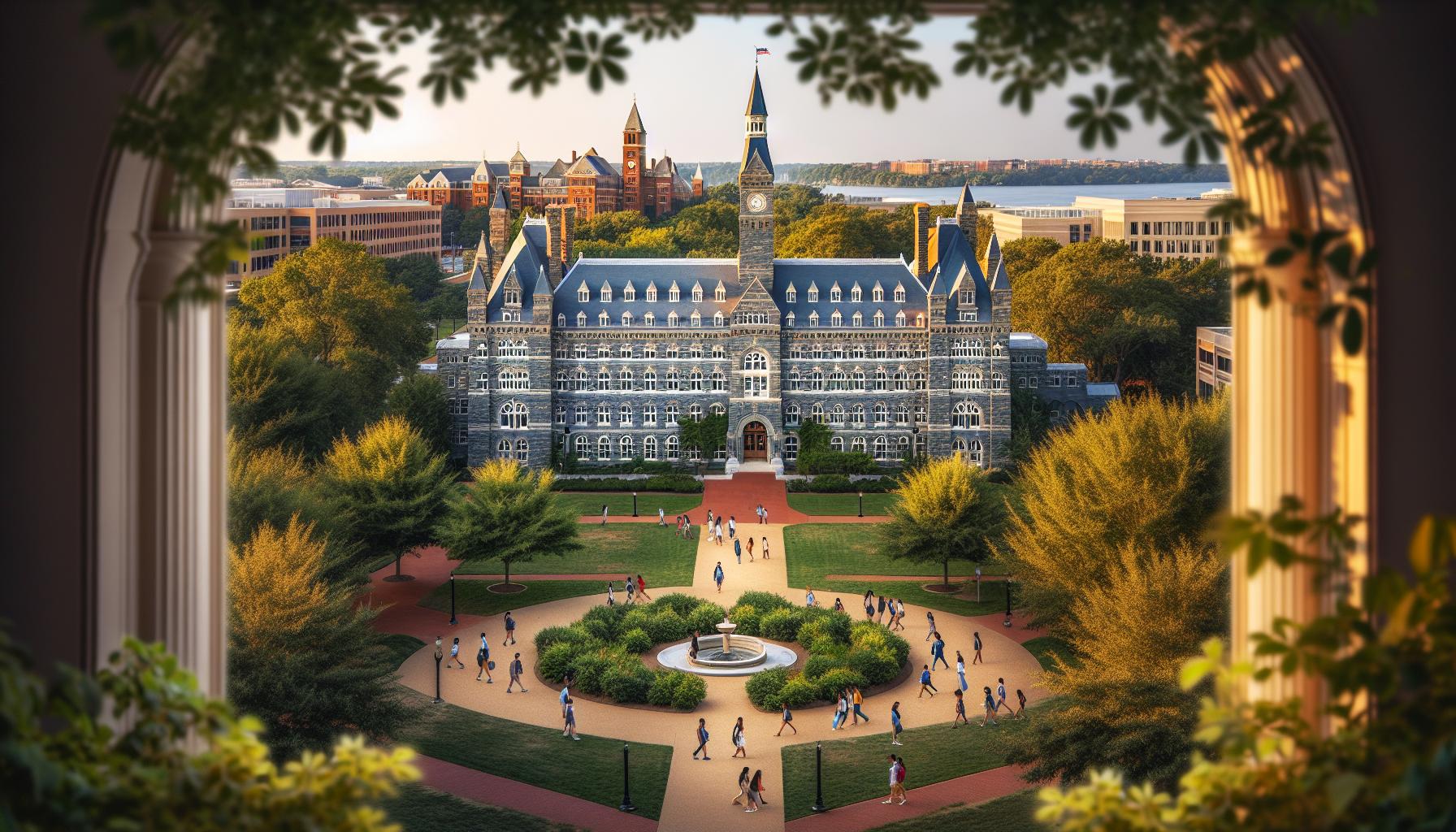
Exploring the Neighborhood: Georgetown, D.C
The historic Georgetown neighborhood in Washington, D.C., is not just the backdrop for Georgetown University; it’s a vibrant community that adds a rich layer to student life. Walking through its charming streets, students are greeted by a mixture of colonial charm, modern culture, and an atmosphere deeply intertwined with the nation’s history. From the moment you step outside campus, you’ll find yourself surrounded by lush parks, unique boutiques, and diverse dining options that reflect the multicultural essence of the city.
Among the most iconic spots in Georgetown is the waterfront along the Potomac River, where students can unwind by enjoying activities like kayaking, jogging, or simply basking in the scenic views. The picturesque C&O Canal, with its historic path, offers a peaceful retreat for a leisurely stroll or a bike ride, making it an ideal escape from the rigorous academic schedule.
In addition to its natural beauty, Georgetown is filled with historical landmarks. Students can explore places like the Old Stone House, one of the oldest structures in the city, or visit the historic church of the Dahlgren Chapel, which provides a serene space for reflection. Cultural life is also vibrant, with art galleries and theatres nearby showcasing local talent that enriches the social scene.
For those looking to engage with the local community, there are countless opportunities available. From farmer’s markets to community events, Georgetown encourages students to connect and establish friendships beyond the classroom. As you navigate this dynamic neighborhood, consider taking advantage of the student discounts offered at many local businesses – a practical way to manage your budget while exploring your new home. Engaging with the surrounding area not only enhances your academic experience but also fosters a sense of belonging in this historic and lively corner of Washington, D.C.
Campus Layout: Key Buildings and Facilities
Georgetown University’s campus is a blend of historic charm and modern facilities sprawled across 104 acres of picturesque Georgetown, D.C. As you explore the campus layout, you’ll encounter iconic buildings and diverse academic facilities that play a vital role in shaping the student experience.
One of the most notable landmarks is Healy Hall, a stunning example of Romanesque architecture, which serves as the university’s administrative center and is home to the university’s chapel. This historic building not only houses offices but also provides a space for students to gather and connect, often serving as a backdrop for events and celebrations. Nearby, the Edward B. Bunn Intercultural Center brings together a vibrant mix of cultural and religious spaces, offering resources and support for students from all backgrounds.
Academic life flourishes in the main lecture halls, such as the White-Gravenor Hall, known for its comfortable classrooms and engaging learning environments. The Lauinger Library, a central hub for study and research, features extensive collections and quiet study areas, ensuring students have a conducive atmosphere for academic pursuits. For those pursuing business degrees, the McDonough School of Business provides state-of-the-art facilities that include cutting-edge technology and collaborative workspaces, which enhance both learning and networking opportunities.
In addition to academics, Georgetown prioritizes student wellness. Facilities like the Yates Field House include recreational areas for sports and fitness classes, providing a much-needed balance to intensive study schedules. The Student Health Center offers medical services and support for mental health, ensuring that students can thrive both academically and personally.
Whether you are looking to immerse yourself in academic pursuits, engage in community life, or find spaces for relaxation, Georgetown University’s campus layout and facilities have you covered, fostering an environment where students can truly flourish.
Navigating Georgetown University: Maps and Directions
Getting around Georgetown University can initially seem daunting due to its sprawling 104-acre campus filled with rich history and diverse buildings. However, several resources can simplify your navigation and ensure you make the most of your time at this vibrant institution.
One of the best ways to familiarize yourself with the campus is by using the official campus map, which provides an interactive interface to locate buildings, student centers, and key facilities. This detailed map is not only available online but can also be accessed at various information centers throughout the campus. New students might find it helpful to take a guided campus tour during orientation; these tours often highlight important landmarks and provide insights into the university’s history and culture.
If you prefer a printed version, Georgetown also offers a printable campus map that you can carry with you for easy reference as you explore. Be sure to look for accessible route signs, which are especially useful if you have any mobility concerns, since some paths can be challenging to navigate due to the natural hills around the campus.
When reaching Georgetown from elsewhere in Washington, D.C., public transportation options abound, making it convenient for both local and international students. The university is well-serviced by the D.C. metro system, with nearby stations such as the Foggy Bottom-GWU Metro and the Rosslyn Metro stations. Buses also connect to many parts of the city, providing a cost-effective way to explore not only the campus but also the surrounding vibrant neighborhood of Georgetown.
In addition, several rideshare options are available for those who prefer a more direct approach to getting to classes or campus events. Utilizing a combination of campus maps and public transport schedules can help you navigate with ease while allowing you to focus on what truly matters-your academic success and personal growth within this dynamic community.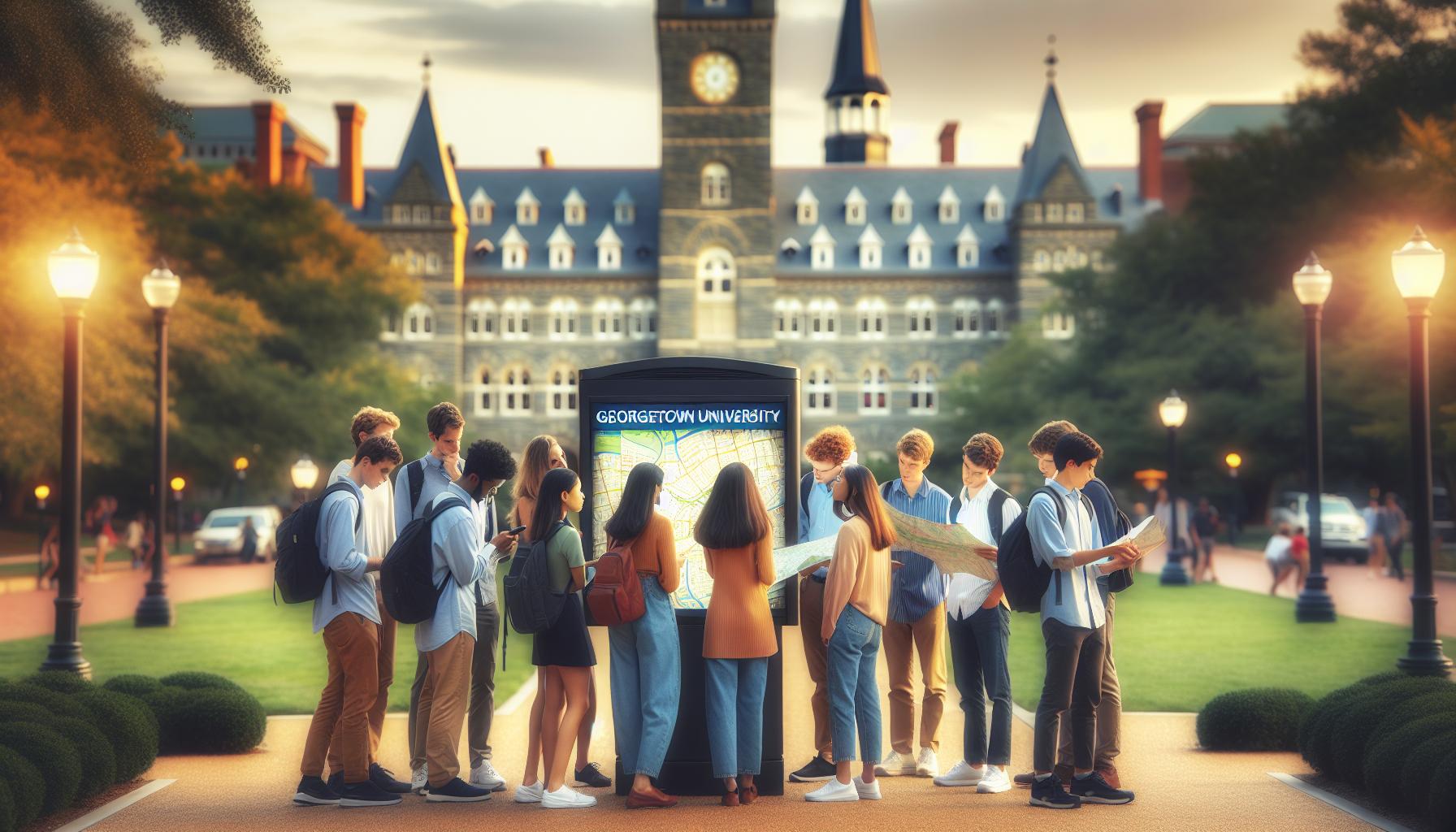
Public Transportation Options to Georgetown
Getting to Georgetown University is made easy by a variety of public transportation options, allowing students and visitors to navigate the bustling D.C. area with convenience. With nearby metro stations and an expansive bus network, accessing campus from different parts of the city and beyond is hassle-free.
One of the primary methods of reaching Georgetown is through the D.C. Metro system. Students can take advantage of the Foggy Bottom-GWU Metro station on the Blue, Silver, and Orange lines, which is just a short distance from campus. Another close option is the Rosslyn Metro station, accessible via the Blue and Orange lines. From these stations, a quick bus ride or a brief walk can get you to your destination on campus.
Buses also play a vital role in connecting students with campus amenities. The Georgetown University Transportation Shuttle, commonly known as the GUTS bus, is a free service that transports students and staff to various locations in Virginia and D.C., including key locations near the university. In addition, the DC Circulator Bus serves the Georgetown-Union Station route, making it convenient to travel between major hubs while exploring the city.
For international or new students unfamiliar with the local transit system, apps like Google Maps or the WMATA MetroTransit app can provide real-time updates and instructions on navigating public transportation effectively. Whether relying on the electronic transit maps or the helpful signage at stops, these resources are essential for easing the transition into life at Georgetown. By utilizing the well-covered public transportation options, students can focus more on their academic journey and less on transportation challenges.
Nearby Attractions: What to Visit Around Campus
The vibrant and historic neighborhood surrounding Georgetown University offers a plethora of attractions that are sure to enrich your university experience. Known for its cobblestone streets, waterfront views, and a mix of classic and contemporary architecture, Georgetown is a unique area that blends cultural heritage with modern amenities. Whether you’re looking for art, shopping, or outdoor adventures, you’ll find an array of exciting places to explore right at your doorstep.
Historic Landmarks
Just a short walk from campus, you can visit the iconic Georgetown Waterfront Park, which provides stunning views of the Potomac River and the Kennedy Center. This park is perfect for a leisurely stroll, a picnic, or simply unwinding by the water. Additionally, don’t miss the Old Stone House, the oldest unchanged building in D.C. This historic site gives you a glimpse into colonial life and often hosts community events that provide a great way to engage with local history.
Cultural Experiences
Art enthusiasts will appreciate the close proximity to The Phillips Collection, known for its impressive American and European art collection. Located in the nearby Dupont Circle neighborhood, it houses masterpieces that span centuries and styles. For a touch of contemporary culture, check out the many galleries and art exhibits along M Street and beyond.
Shopping and Dining
M Street is also a haven for shoppers, offering a variety of stores ranging from high-end boutiques to popular retail chains. After shopping, you can satiate your taste buds at one of the many eateries in the area. Whether you crave a casual coffee at
Outdoor Activities
For those who enjoy outdoor activities, the nearby C&O Canal National Historical Park offers scenic trails perfect for biking, jogging, or just taking a relaxing walk. The area’s natural beauty combined with its historical significance makes it an enriching experience for students and visitors alike.
As you navigate through your academic journey, take the time to explore these attractions. They not only offer a break from studies but also enhance your understanding of the rich culture and history surrounding Georgetown University. Embrace your new environment and make the most of student life in this dynamic part of Washington, D.C.
Student Life: Social and Recreational Opportunities
The student life at Georgetown University is vibrant and diverse, presenting a unique blend of social and recreational opportunities that enable students to unwind and form lasting connections. Surrounded by the historic charm of Georgetown, the campus not only fosters academic excellence but also encourages a strong sense of community and collaboration among students.
Engagement is key when it comes to making the most of your time at Georgetown. The university hosts a plethora of student organizations and clubs spanning various interests, including cultural, athletic, and academic groups. Whether you’re keen on joining the Debate Team, connecting with fellow international students through the International Student Association, or diving into community service with the Center for Social Justice, there’s something for everyone. These organizations often host events throughout the year that foster networking, peer support, and personal growth.
Recreational Facilities
The campus provides a wealth of recreational options to help students maintain a balanced lifestyle. The Yates Field House offers state-of-the-art fitness equipment, swimming pools, and group exercise classes which can help you stay active and relieve stress. Additionally, the university provides various intramural sports leagues, from soccer to ultimate frisbee, promoting teamwork and camaraderie among participants.
Social Events and Activities
Students can also enjoy a rich calendar filled with social events such as cultural festivals, movie nights, and guest speakers that enrich the campus experience. Georgetown hosts regular events like the Hoya Spirit Week, where students partake in spirited activities, rallies, and games celebrating school pride. Furthermore, the university’s location in Washington D.C. means that students have access to concerts, exhibitions, and performances in a vibrant city that values arts and culture. Discounted student tickets are often available for major events, traditional markets, and restaurants, ensuring that fun remains accessible without breaking the bank.
Through these multifaceted social and recreational opportunities, Georgetown University not only enhances students’ academic journeys but also helps cultivate friendships and personal development that extend beyond the classroom. Embrace the chance to explore both the campus and the dynamic city around you to maximize your Georgetown experience.
Campus Safety: Essential Information for Students
Safety is a priority at Georgetown University, and being informed about campus safety measures can significantly enhance your peace of mind as a student. The university’s commitment to maintaining a secure environment is evident through various initiatives and resources available to students. From emergency response services to proactive safety measures, understanding what’s in place can empower you to navigate your university life confidently.
Georgetown University Police Department (GUPD) plays a central role in campus safety. In case of an emergency, students should call 911 or contact GUPD directly at (202) 687-4343 for immediate assistance. Officers patrol the campus regularly, fostering a visible presence that acts as a deterrent to crime while also making sure students feel safe as they go about their daily activities. Additionally, the university has implemented a range of safety programs, including emergency communication systems and safety escorts, which reinforce a secure campus atmosphere.
Moreover, students are encouraged to stay engaged with safety resources through programs and apps designed to enhance personal safety. For instance, the LiveSafe app enables students to call for help, share their location, and connect with friends while traveling around campus. Attending campus safety workshops and informational sessions can also improve your awareness of best practices in personal safety, emergency preparedness, and reporting procedures in case of an incident.
Be proactive about your safety by familiarizing yourself with your surroundings, developing a network of friends for mutual support, and utilizing campus resources effectively. By actively participating in the safety community at Georgetown, you not only protect yourself but also contribute to a more secure environment for everyone. Embrace the resources available to you, and don’t hesitate to reach out with any concerns-fostering a safe campus relies on collective vigilance and communication.
Accommodations: Where to Stay Near Georgetown
Situated in the heart of Washington, D.C., Georgetown University is not only a prestigious institution of higher learning but also a gateway to a vibrant, historic neighborhood rich in culture and amenities. For students, parents, and visitors looking for accommodations, the area offers a wide range of options that cater to various preferences and budgets. With its proximity to the campus, staying near Georgetown means easy access to classes, events, and the local charm of the district.
When considering lodging, you might find a variety of choices that include hotels, hostels, and short-term rentals. Popular hotels in the area include the Ritz-Carlton Georgetown and the Georgetown Inn, both of which offer convenient access to campus and the scenic waterfront. For those seeking more affordable options, consider visiting platforms like Airbnb, where you can find cozy apartments or shared spaces that provide a home-like atmosphere during your stay.
If you’re looking for more extended housing solutions, the university’s accommodations office can help with off-campus options. Many students opt for shared apartments or housing arrangements with fellow students, which can be cost-effective and foster a sense of community. However, be sure to begin your search early in the semester, as popular housing options tend to fill up quickly.
No matter your choice, staying near Georgetown ensures you’re surrounded by beautiful streets, delightful cafes, historical sites, and a bustling shopping scene. This unique blend of academic life and the city’s offerings makes Georgetown University more than just a place to study – it’s a vibrant lifestyle that enriches the college experience.
Dining Options: Food and Drink on Campus
With a variety of dining options available, the food culture at Georgetown University is as diverse and vibrant as its student body. Both the quality and selection of dining facilities cater to a range of tastes, making it easy for students to find meals that fuel both academic endeavors and social activities.
On-Campus Dining Facilities
At the heart of Georgetown’s dining experience is the Leo O’Donovan Dining Hall, which offers an impressive “All You Can Eat Buffet” that caters to various dietary needs. This facility can comfortably accommodate over 1,000 guests, providing ample space to enjoy meals in a vibrant atmosphere. The menu often features fresh, locally sourced ingredients, and options range from international cuisines to classic American fare, ensuring everyone can find something delicious.
Beyond the main dining hall, Georgetown’s campus is dotted with several coffee shops and snack bars ideal for a quick bite or a study break. For example, The Local is a popular destination known for its delicious grab-and-go options that include customizable salads and sandwiches. On days when students need an extra boost, they can swing by campus cafés serving gourmet coffee and pastries.
Nearby Eateries
While on-campus dining is convenient, the surrounding Georgetown neighborhood offers a plethora of dining options. Just a short walk from campus, students can explore a variety of restaurants ranging from casual eateries to fine dining. Whether craving Italian, Asian fusion, or classic American burgers, there’s no shortage of choices. Additionally, a number of local shops provide groceries and snacks for those interested in preparing their meals.
For students navigating tight budgets, Georgetown University also takes affordability into account with various meal plan options that can help manage dining expenses. These plans are designed to accommodate both light eaters and those who prefer to dine more frequently on campus, easing some financial pressures while fostering a sense of community through shared dining experiences.
In summary, the dining landscape at Georgetown University not only provides nourishments but also enriches the overall student experience. From well-equipped dining halls to charming local restaurants, students are guaranteed to find an array of options that cater to both their appetites and lifestyles.
Student Support Services: Resources for Success
Navigating the complexities of university life can be challenging, but Georgetown University provides a robust support system designed to help students succeed both academically and personally. From academic counseling to mental health resources, students can find a variety of services aimed at fostering an environment conducive to learning and growth.
Comprehensive Academic Support
Georgetown’s Academic Resource Center plays a vital role in ensuring students have the tools they need to thrive. Students can access tutoring, study groups, and workshops focused on essential skills such as time management and effective study techniques. This is especially beneficial for students transitioning into university life or those who may face academic challenges. The center also offers resources tailored for different learning styles, ensuring that every student can find an approach that works for them.
Mental Health and Wellness Resources
Mental health is a critical component of student success, and Georgetown is committed to providing psychological support. The University Counseling Center offers individual therapy sessions, workshops, and group counseling that focus on stress management, anxiety reduction, and overall well-being. Students are encouraged to explore these resources, as prioritizing mental health can significantly impact academic performance and personal satisfaction.
Financial Guidance and Crisis Support
Understanding and managing finances is another crucial aspect of the student experience. Georgetown’s Office of Student Outreach and Support provides guidance on financial aid, budgeting, and scholarship opportunities. This office helps students navigate financial challenges that may arise during their studies, offering workshops on financial literacy and connecting them to resources for additional support. Moreover, students facing unexpected crises can seek financial assistance through emergency funds, ensuring they receive the help they need without undue stress.
Building Community Connections
Finally, students are encouraged to engage with various campus organizations and support networks that foster community and belonging. The Division of Student Affairs organizes events and activities that promote social engagement and professional networking. These connections not only enhance the university experience but also provide opportunities for students to bond over shared interests and challenges.
Overall, Georgetown University’s comprehensive student support services are designed to empower students, helping them to build resilience, achieve academic success, and make the most out of their university experience. Whether it’s through academic resources, mental health support, financial guidance, or community engagement, there is a wealth of opportunities available for students to thrive.
Understanding Campus Events and Activities
Georgetown University is not just a place of learning; it’s a vibrant hub of cultural exchange and community engagement, where every student can find their niche through various events and activities. From academic lectures to arts festivals, the campus is alive with opportunities designed to enrich student life and foster connections among peers. Whether you’re interested in exploring intellectual debates or simply enjoying some live music, Georgetown has something for everyone.
One of the key features of Georgetown’s campus life is its diverse slate of events that cater to a wide array of interests. For instance, the This Week@Georgetown newsletter provides students with updates on events happening on campus, ensuring they never miss out on social, academic, or cultural activities. Engaging in these events not only enhances your university experience but also provides an excellent platform for networking and meeting like-minded individuals. Some popular events include:
- Georgetown Day: This annual celebration brings the campus community together for a day of festivities at the end of the spring semester, featuring activities, food, and entertainment.
- Film Screenings and Discussions: Regularly hosted by various departments, these events encourage dialogues around important topics while enjoying some cinematic gems.
- Workshops and Speakers: The university frequently hosts guest speakers and workshops led by experts across diverse fields, offering students insights beyond their coursework.
Participating in these events is not only about having fun; it can also play a crucial role in developing essential skills. Engaging in planning or attending events helps students enhance their interpersonal and organizational abilities, which are invaluable in the job market. Moreover, many organizations on campus, from academic clubs to cultural societies, host their own events, fostering a sense of community and belonging.
In a bustling metropolis like Washington, D.C., the events on campus also provide a welcoming respite from city life. They offer students a chance to remain grounded, engage in meaningful interactions, and dive deep into what it means to be part of the Georgetown community. Students are encouraged to seek out opportunities for involvement; not only will they find personal growth, but they will also contribute significantly to the campus culture, making their time at Georgetown truly unforgettable.
Frequently asked questions
Q: Where is Georgetown University located?
A: Georgetown University is situated in the Georgetown neighborhood of Washington, D.C. The campus spans the banks of the Potomac River, providing easy access to both urban amenities and natural beauty.
Q: What neighborhoods are near Georgetown University?
A: Nearby neighborhoods include Dupont Circle, Foggy Bottom, and West End, each offering distinct dining, shopping, and cultural experiences. Students often explore these vibrant areas for both leisure and convenience.
Q: How can I get to Georgetown University using public transportation?
A: Georgetown University is accessible via the Washington Metro and several bus lines. The nearest Metro stations are Foggy Bottom and Rosslyn, with shuttle services connecting to campus. Check local transit schedules for the best routes.
Q: What is the best way to navigate the Georgetown University campus?
A: The Georgetown University campus can be navigated easily on foot, as it is compact. For detailed layouts, campus maps are available online, and mobile apps can provide directions to specific buildings.
Q: Are there hotels near Georgetown University for visitors?
A: Yes, several hotels are located within walking distance of Georgetown University, including the Georgetown Inn and the Four Seasons. These accommodations provide convenient access to campus and the surrounding area.
Q: What attractions are close to Georgetown University?
A: Nearby attractions include the Washington Harbour, the historic C&O Canal, and the iconic Georgetown Waterfront Park. These sites offer recreational opportunities and scenic views just steps from campus.
Q: When is the best time to visit Georgetown University?
A: The best time to visit Georgetown University is during the fall (September to November) and spring (March to May) when the weather is pleasant, and campus events are in full swing.
Q: What resources are available for new students at Georgetown University?
A: New students can access various resources, including orientation programs, academic advising, and campus tours. The Student Affairs office provides support for a smooth transition into university life.
For more information on campus facilities and student support services, continue exploring our campus guide!
Key Takeaways
Now that you’re familiar with where Georgetown University is located and what its vibrant campus has to offer, take the next step in your journey to explore more about your potential home away from home. Whether you’re curious about student employment opportunities, financial aid resources, or academic support, we have you covered. Check out our guides on navigating student employment and understanding financial management to better prepare for your university experience.
Don’t miss out on experiencing all that Georgetown has to offer! Join our newsletter for the latest insights, tips, and updates-ensuring you’re equipped to thrive academically and socially. If you have any questions, we’d love to hear from you in the comments below. Your path to success starts here, so dive deeper into our resources and prepare for a transformative college experience!